Showing posts with label SUNFLOWERS. Show all posts

10 June 2026

Sowing sunflowers using Irisa and Marítimo seeds

A few weeks ago, we sowed the sunflowers, as we’ve been showing you in the videos posted on Instagram and YouTube. The main change this time is that we have switched seed brands and started using Syngenta.

As we have mentioned in previous blog posts, sunflower cultivation in our region is a fairly marginal crop. Hardly any farmers grow sunflowers because we rotate with pulse crops. We continue to keep it because it gives us an extra crop and because it means we can spend more time working on these fields where we sow sunflowers. What’s more, we have more options for controlling weeds. Another problem with growing sunflowers is that in our area the summer is very dry and there is practically no rain from sowing until harvest. That is why we switched to a different variety and tried SY Irisa AR and SY Marítimo AR. These seed varieties are notable for their good yields under water stress, so we’ll keep you updated on how our crop is progressing.

Another point worth noting is that, before heading out to the field to sow the seeds, we carried out some preparatory work at home using Syngenta’s Seed Selector tool. This tool helped us to select the seed variety best suited to the conditions on our fields (agronomic and climatic conditions). A free and very user-friendly tool that we really liked and think is very useful.

If we take a closer look at the two varieties grown, we can highlight the following about each of them:

SY Irisa AR

  • High-yield hybridLinoleic variety.
  • Excellent emergence vigour.
  • High yield and good oil content.
  • It is the earliest-flowering hybrid among the herbicide-tolerant varieties (Express™ and Clearfield®).
  • High tolerance to both Imazamox (Clearfield®/Clearfield® Plus) and Tribenuron methyl (ExpressTM system) herbicides.
  • Flowering: Early.
  • Physiological maturity: Early.
  • Resistance to Jopo: Very high.
  • Resistance to downy mildew: Very high.
  • Drought tolerance: Very high.
  • Germination vigour: Very high.
  • Height: Medium.

SY Marítimo AR

  • The first A.I.R.™ high-oleic variety on the market.
  • A highly productive hybrid in all growing conditions, performing particularly well under drought and heat stress.
  • Strong emergence vigour.
  • Good oleic acid content.
  • High tolerance to Veriticilium.
  • Flowering: Medium.
  • Physiological maturity: Medium.
  • Resistance to Jopo: Very high.
  • Resistance to downy mildew: Very high.
  • Drought tolerance: Very high.
  • Vigorous emergence: Very high.
  • Height: Tall.
  • Oil content: Medium-high.

And finally, we’ll mention a few details about the A.I.R.™ technology featured in the two varieties we’ve sowed. This technology is notable for providing strong tolerance to herbicides containing imazamox/imazapyr and tribenuron-methyl, enabling better control of all weed problems. It therefore offers flexibility in the application window for these herbicides, keeping a wide range of weeds and broadleaf weeds under control.

Versión en español.


31 October 2025

Sunflower Harvesting and our 15th Anniversary

One of the last harvesting tasks of the year is sunflower harvesting, which usually takes place in September and October (though in recent years it has been happening earlier, and in our area it now almost always occurs in September). The final harvest of the year will be the olive groves in December.

However, in this post, we’re not only talking about sunflower harvesting — we’re also especially excited because we’re celebrating 15 years of publishing content on our blogs!

On 12 October 2010, we published our very first post, dedicated to the sunflower harvest — you can see it at this link. Since then, we’ve shared our work and that of many friends through several posts each month, always accompanied by photo reports and, in many cases, videos published on our YouTube channel.

It’s also worth noting that our first video was uploaded to YouTube on 20 November 2008. Since then, we’ve published 517 posts, written in both Spanish and English.

We want to thank all of you for following us, reading us, and sending in content to keep our blog alive. We also extend our gratitude to our sponsors, who help us sustain this project and often lend us their products so we can test them in the field — always independently and free of charge.

As for this year’s sunflower harvest, yields were quite low, as usual. Sunflower is a crop we sow in May and harvest in September, which means it goes through the driest months of the year. From sowing to harvest, it hardly rains at all.

This summer was particularly harsh, with extremely high temperatures throughout August, causing severe water stress on the plants. Yields have averaged around 800 kg/ha, and with a rather low price (around €450/tonne), it has turned out to be a poorly profitable crop.

We continue to sow sunflowers because they are part of our eco-friendly crop rotation system, but in practice, it has become a residual crop in our area due to the increasingly dry and hot summers of recent years.

Versión en español.

31 March 2023

Sunflower field preparation

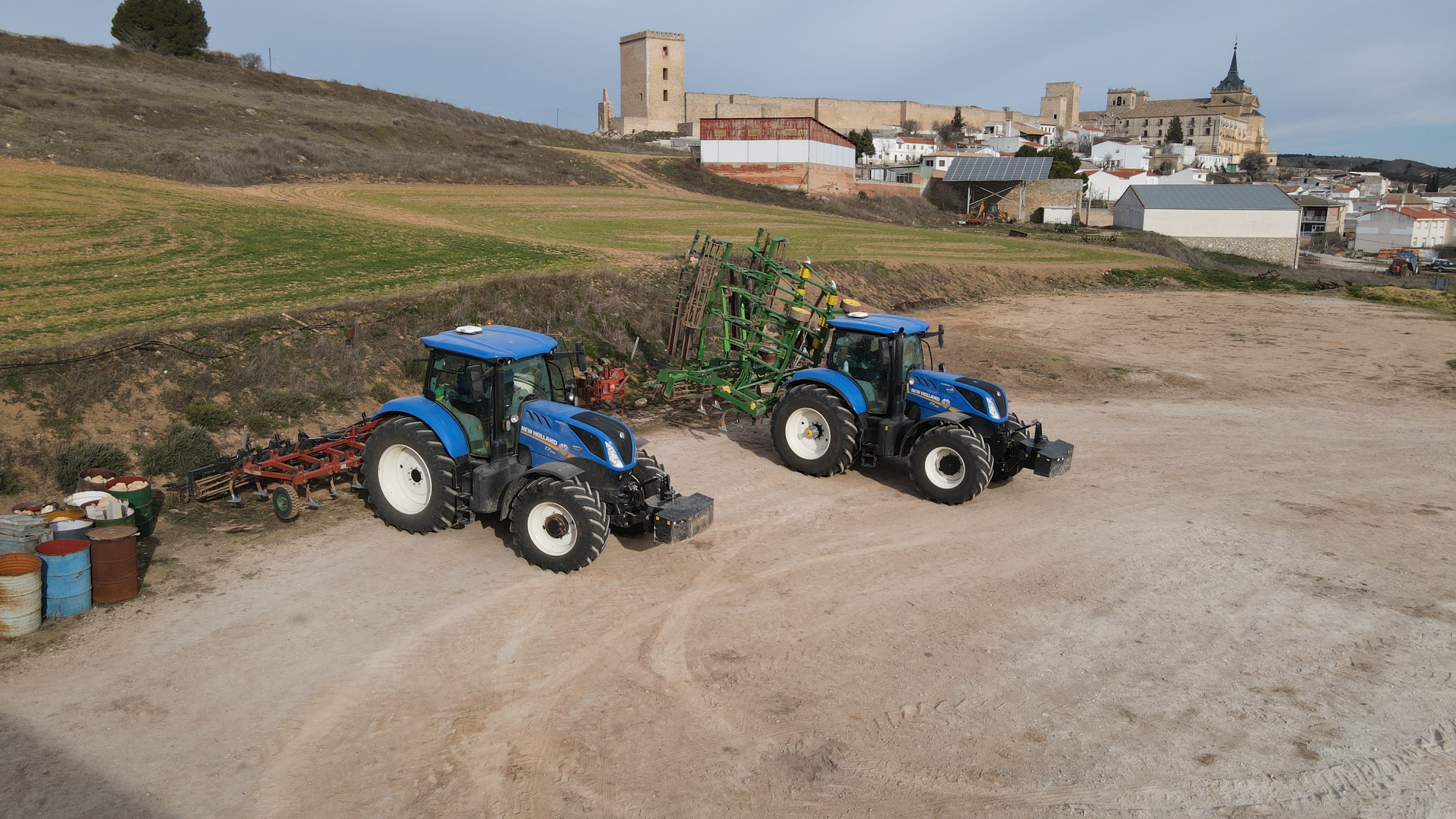
We had the opportunity to spent a nice day with our friends Juan Fran and his son Diego. An impressive day due to the geographical location (you can see the photos and video) including the Monastery of Uclés (Cuenca) for the helpful machinery they have for their harrowing work. As we have already mentioned, visiting Uclés is always a pleasure as it is a very charming village. Besides, spending the morning sharing agricultural anecdotes with Juan Fran and Diego is always quite entertaining.

With regard to the work carried out, we will talk about the preparation of the field for the next sowing of sunflower, which will take place at the end of April and during the month of May. Let's hope for some rain much sooner as it has not rained since the beginning of January and the cereal and pulse vegetables are already in a critical situation. We do not know how this season is going to end :(

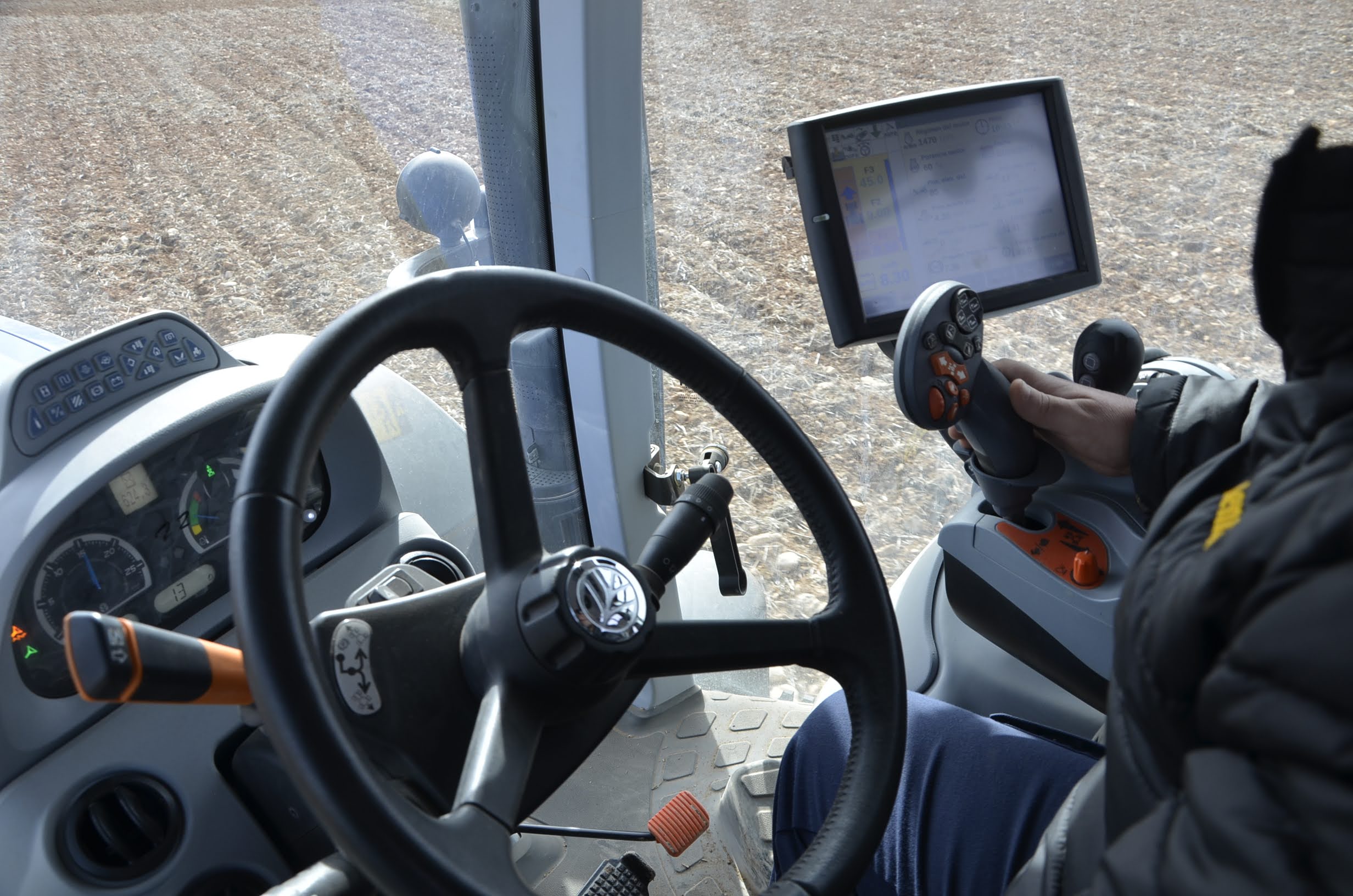
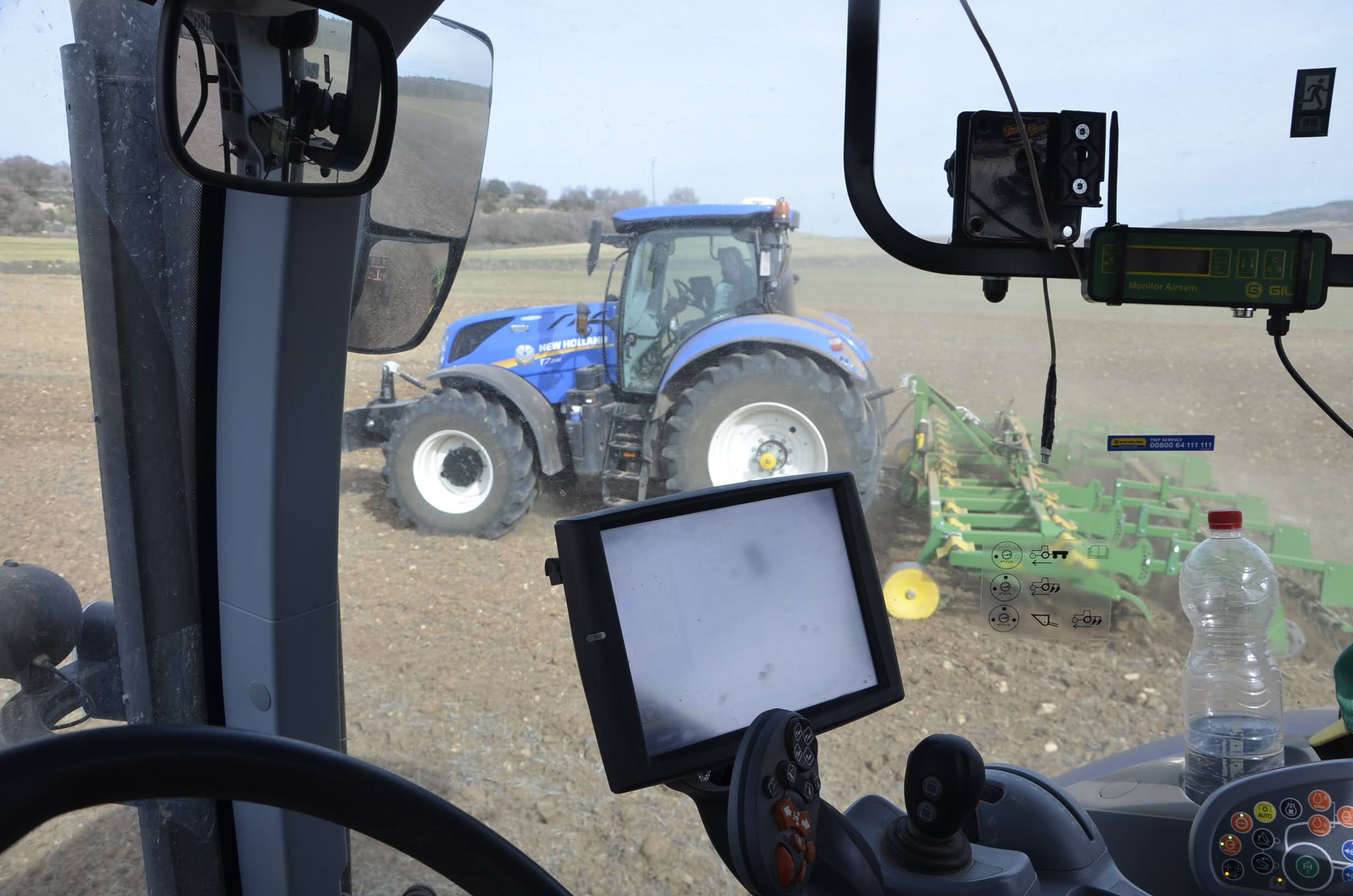
Finally, if we focus on the machinery that we saw working, we can highlight their two New Holland T7 Series, considered as ery robust and beautifully designed tractors. New Holland has a very competitive product in the T7 series. Also noteworthy is the Gil cultivator with the stone protection system based on rubber suspensions. It was the first time we had seen it in the field, and we liked it a lot, I looks very well manufactured with many details that make it a top cultivator. We are used to rubber suspensions system (we have the Ovlac Minichisel) and we always say that this suspensions system is much better than traditional system based on springs... but each farmer has to experience this in the field in order to form his own opinion.

Versión en español.