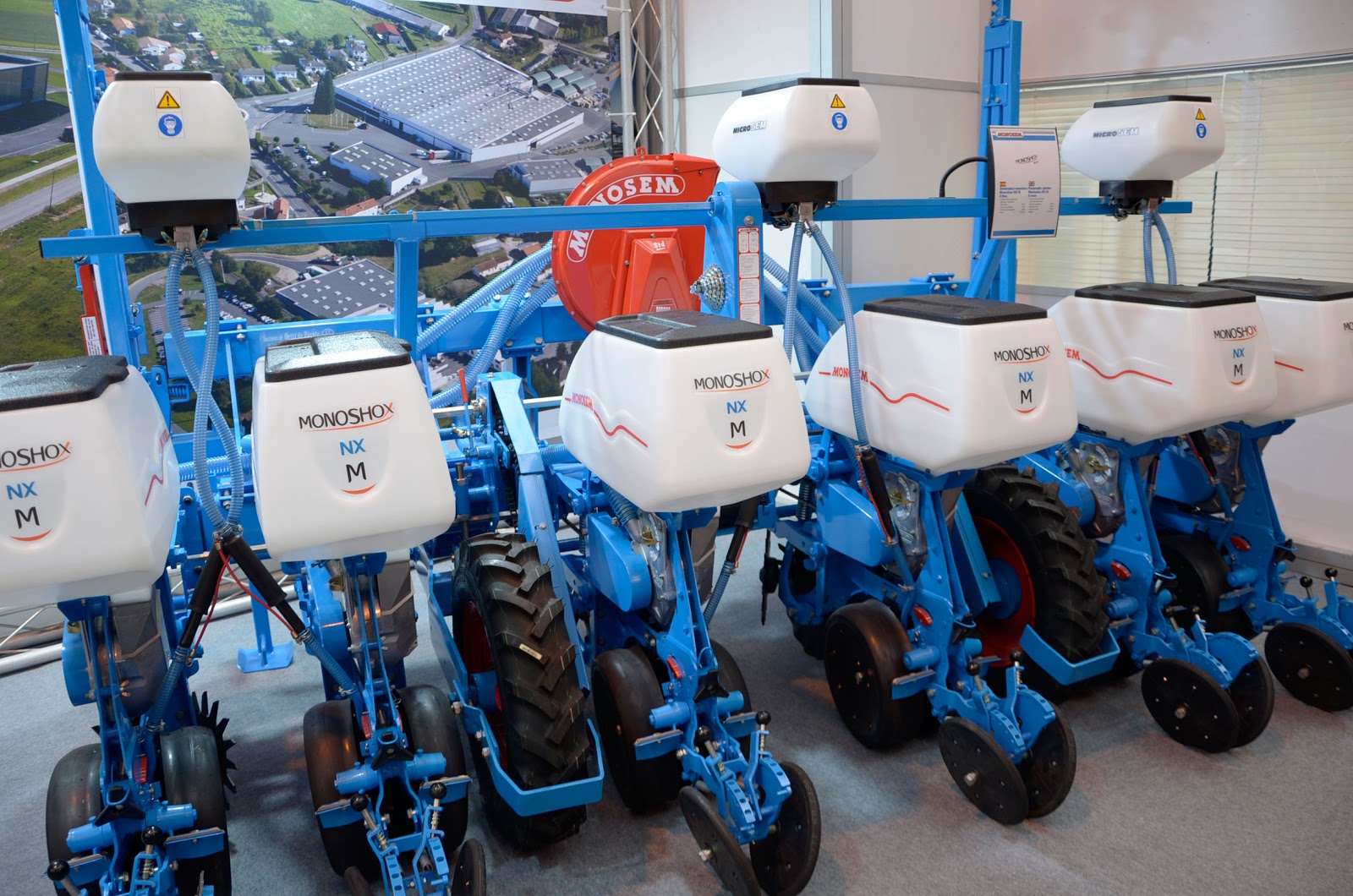
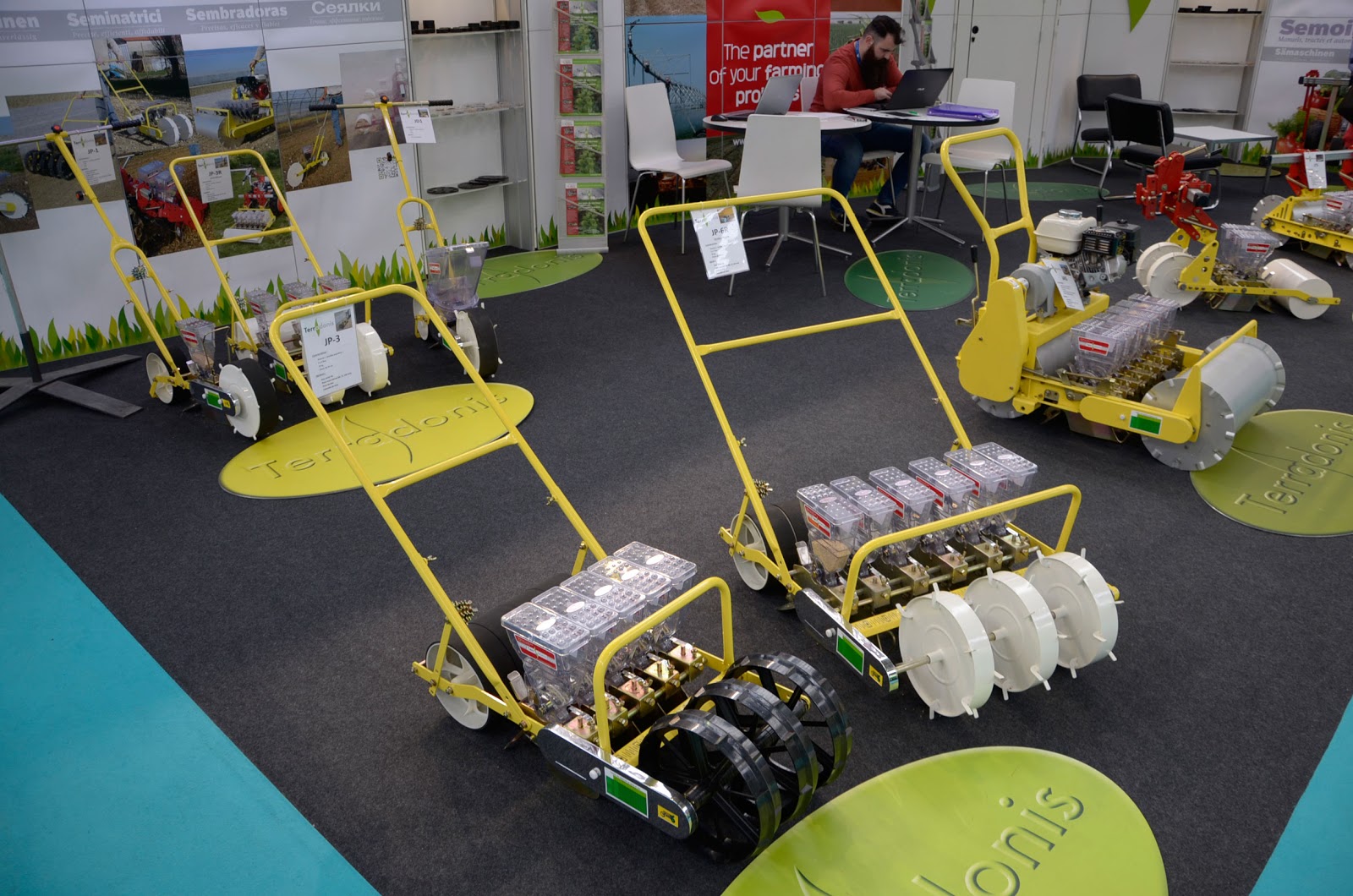
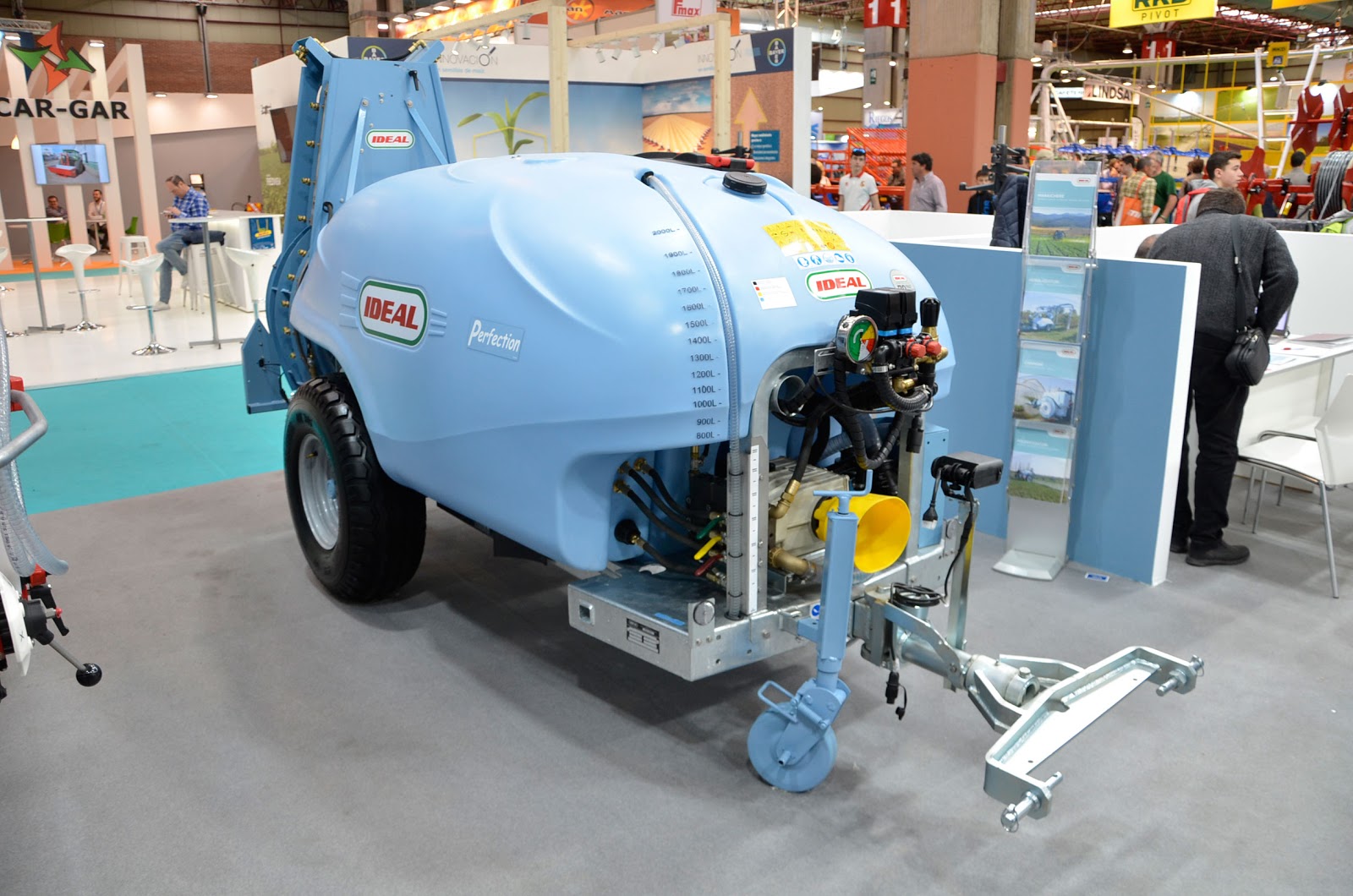
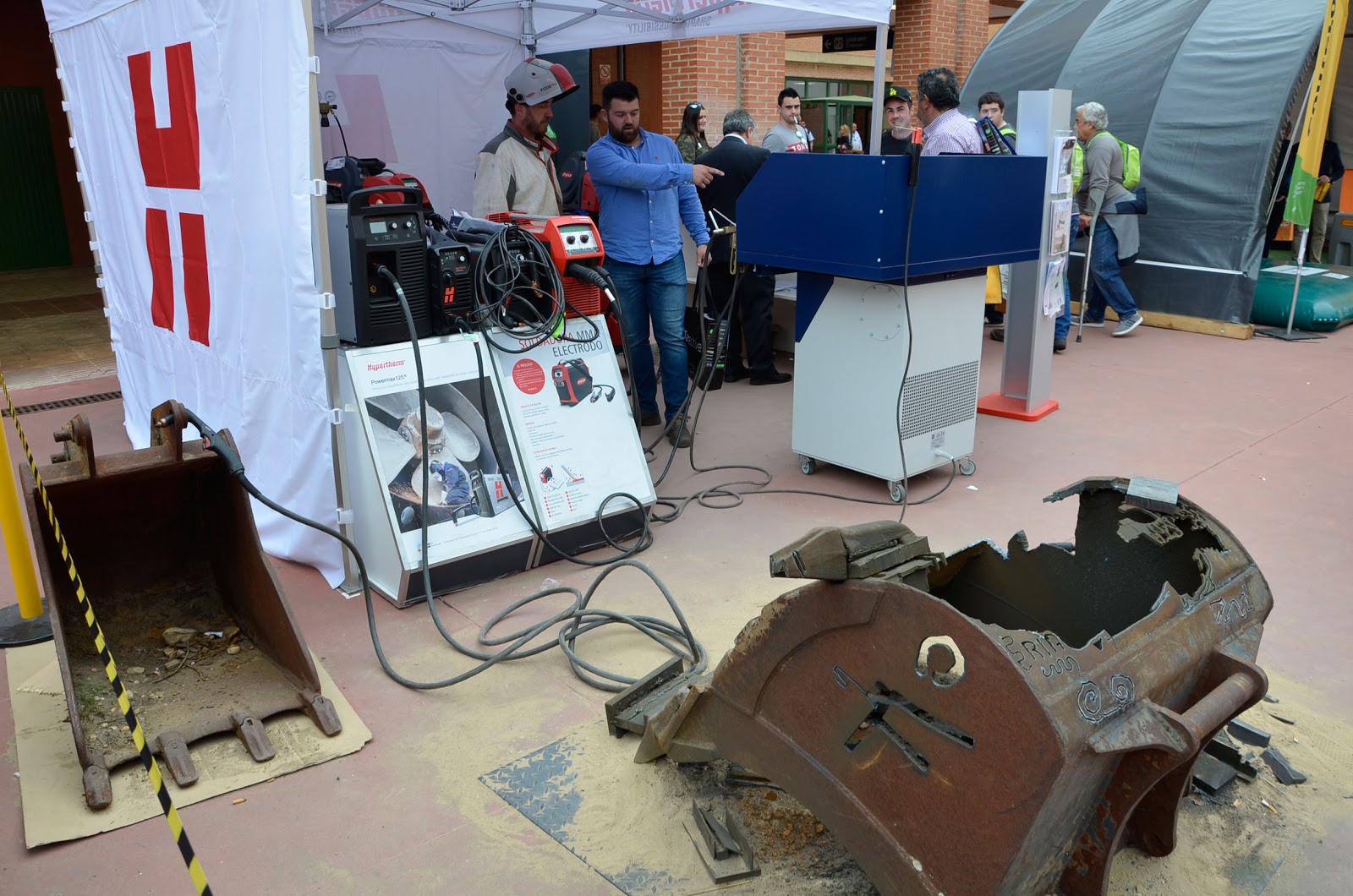
FIMA is always a real party for farmers and especially for lovers of agricultural machinery. The 41st edition closed its doors last 29th of February beating records in its numbers: 237,466 visitors, 1,652 brands exhibited in its 163,500 square meters, 41 technical innovations awarded, more than 3,000 meetings and international gatherings among the exhibiting companies, more than 2,000 attendees to the conferences and parallel activities, nearly 80 nationalities gathered in FIMA 2020... It is without a doubt one of the most important agricultural fairs in Europe. All these numbers make that talking to the exhibitors it is confirmed that it has been one of the best editions.
We were lucky enough to visit the fair for two days and we were able to see most of the stands. The displayed machinery is always over-dimensioned and in many cases out of reach for many Spanish farmers. However, we understand that it is a good place for brands to show all their potential and display their best products. Our feeling was that the stands had fewer machines than in previous years, but were very well selected to have a perfect representation of the brand.
The trend of the use of new technologies is clear chance. Although, in many cases the farmer does not demand so much digitalization because in many cases it becomes complex. Besides, sometimes when the farmer is working with this kind of machines he does not know how to get 100% of its performance or configuration. It is also noted that woody crops are becoming increasingly important in Spain and therefore all related machinery is increasing. Then, there were many exhibitors with sprayers, mulchers, pruning machines and tools, almond and olive harvesters, etc.
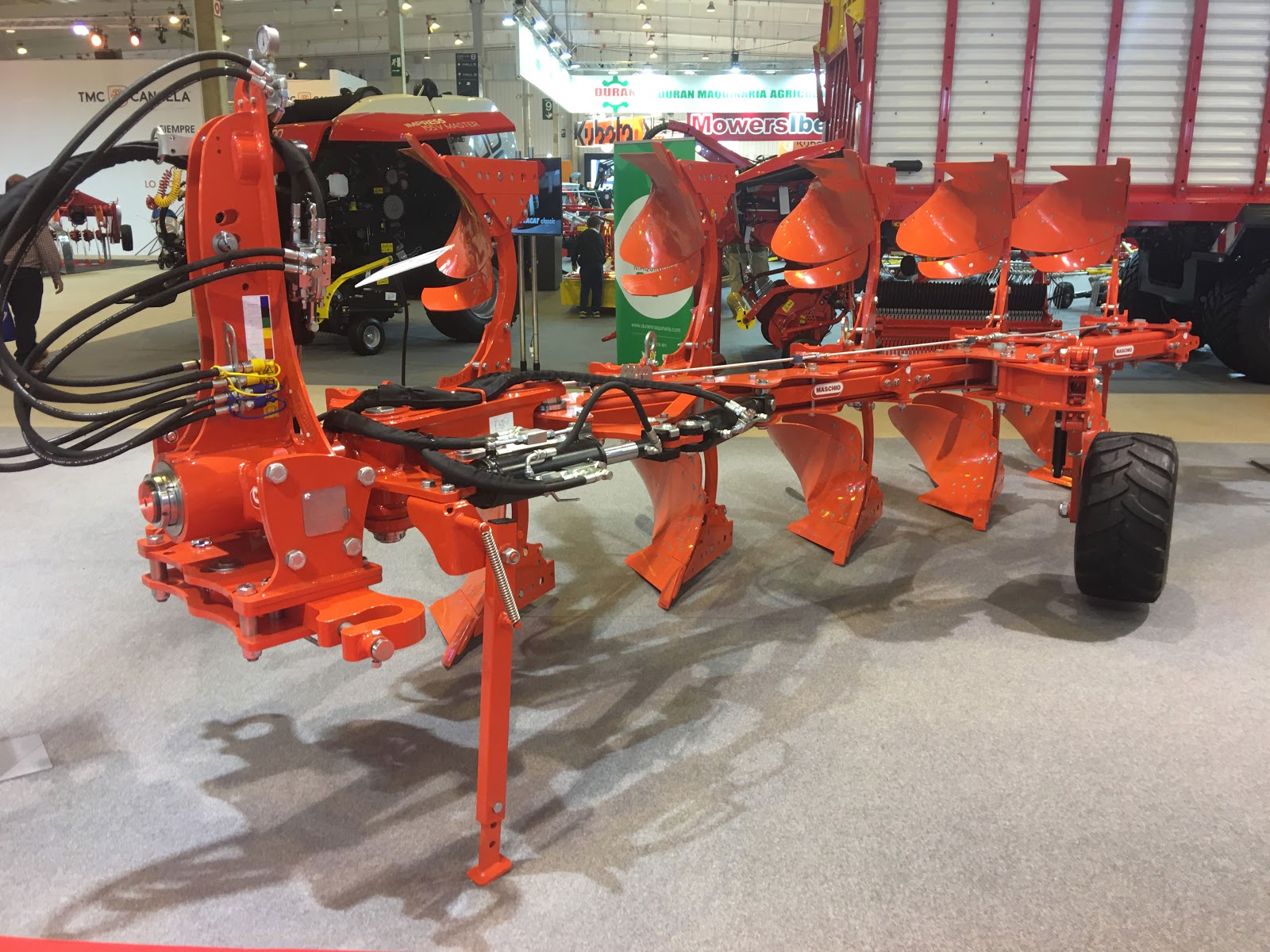
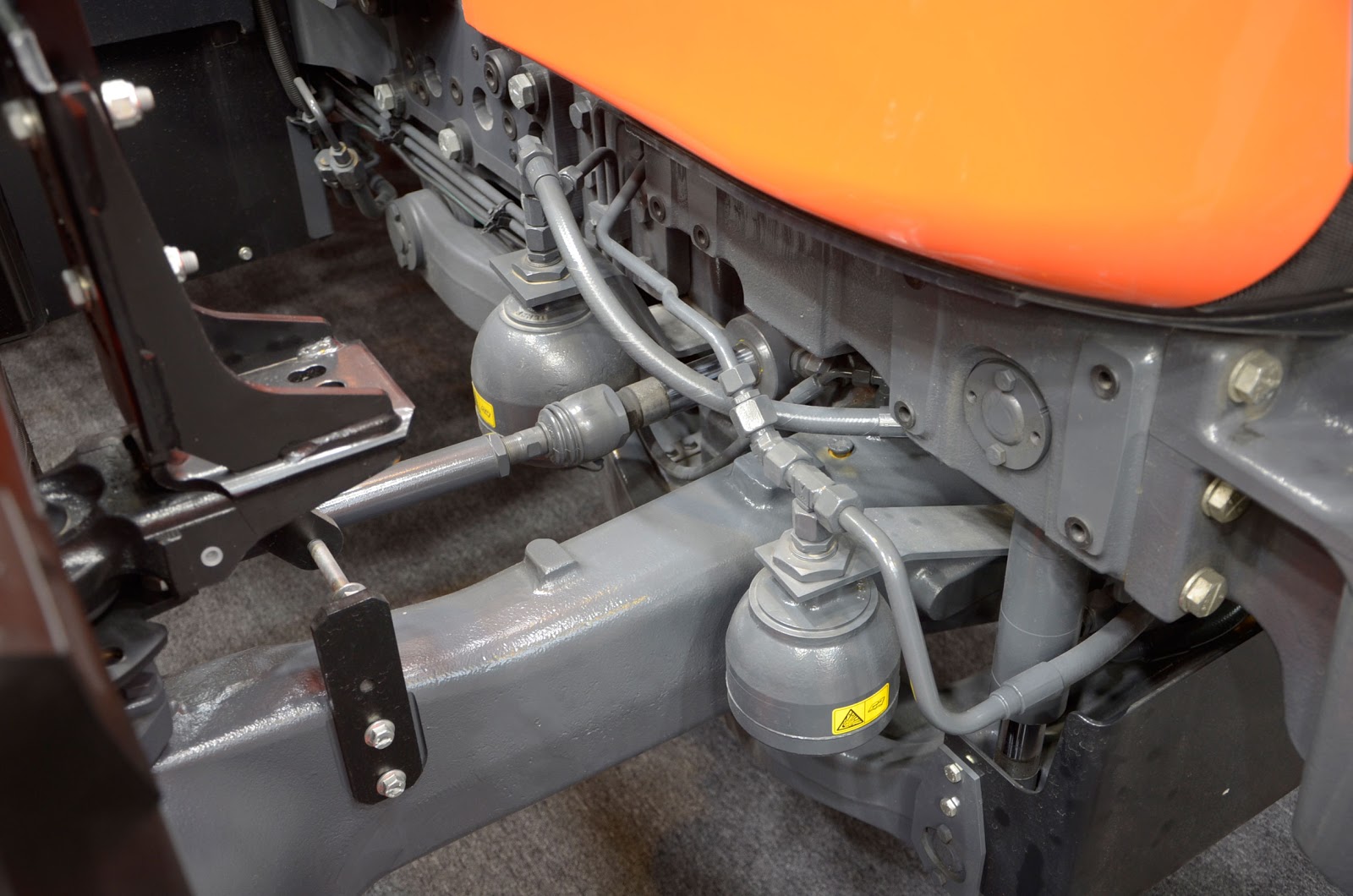
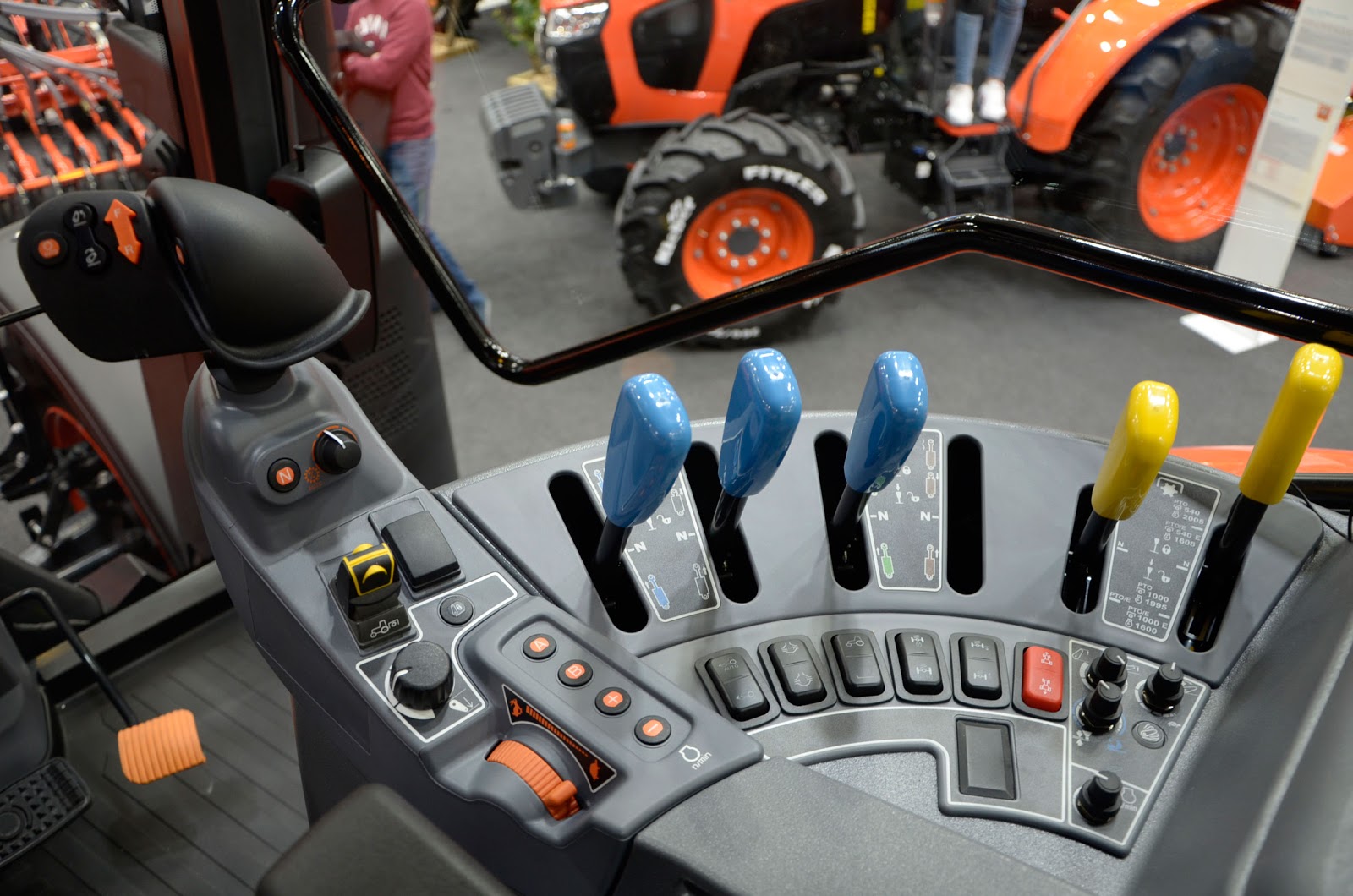
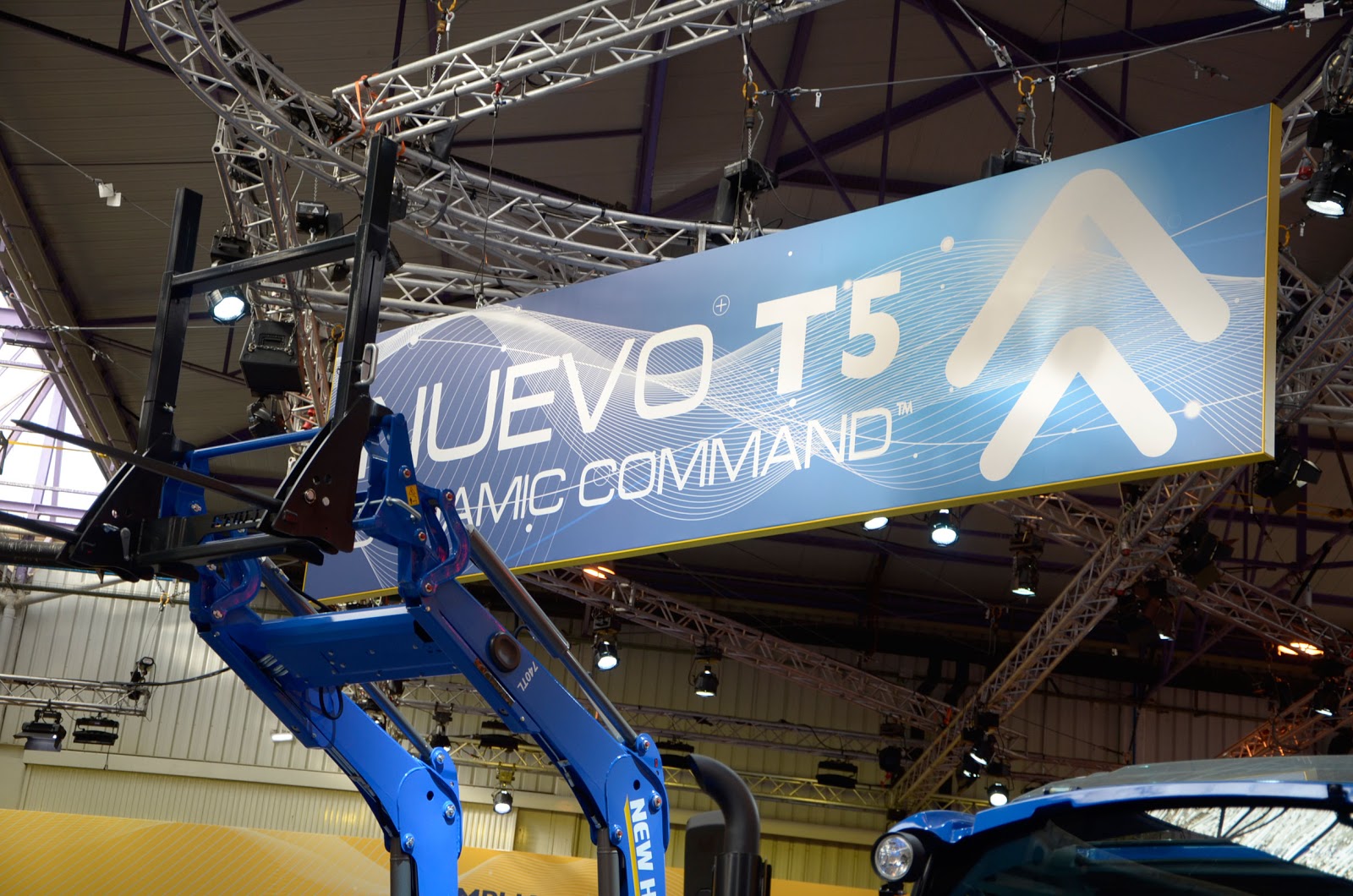
As for the stands, we assume that one of the most visited could be John Deere although one of the most impressive, as usual, was the New Holland stand (perhaps this year it was not as spectacular as on other occasions). The stands of Durán Maquinaria Agrícola and Lemken should also be highlighted, as they have improved a lot with respect to previous editions. We also liked the Kubota stand, although they had too many tractors for the square metres occupied and it was crowded.
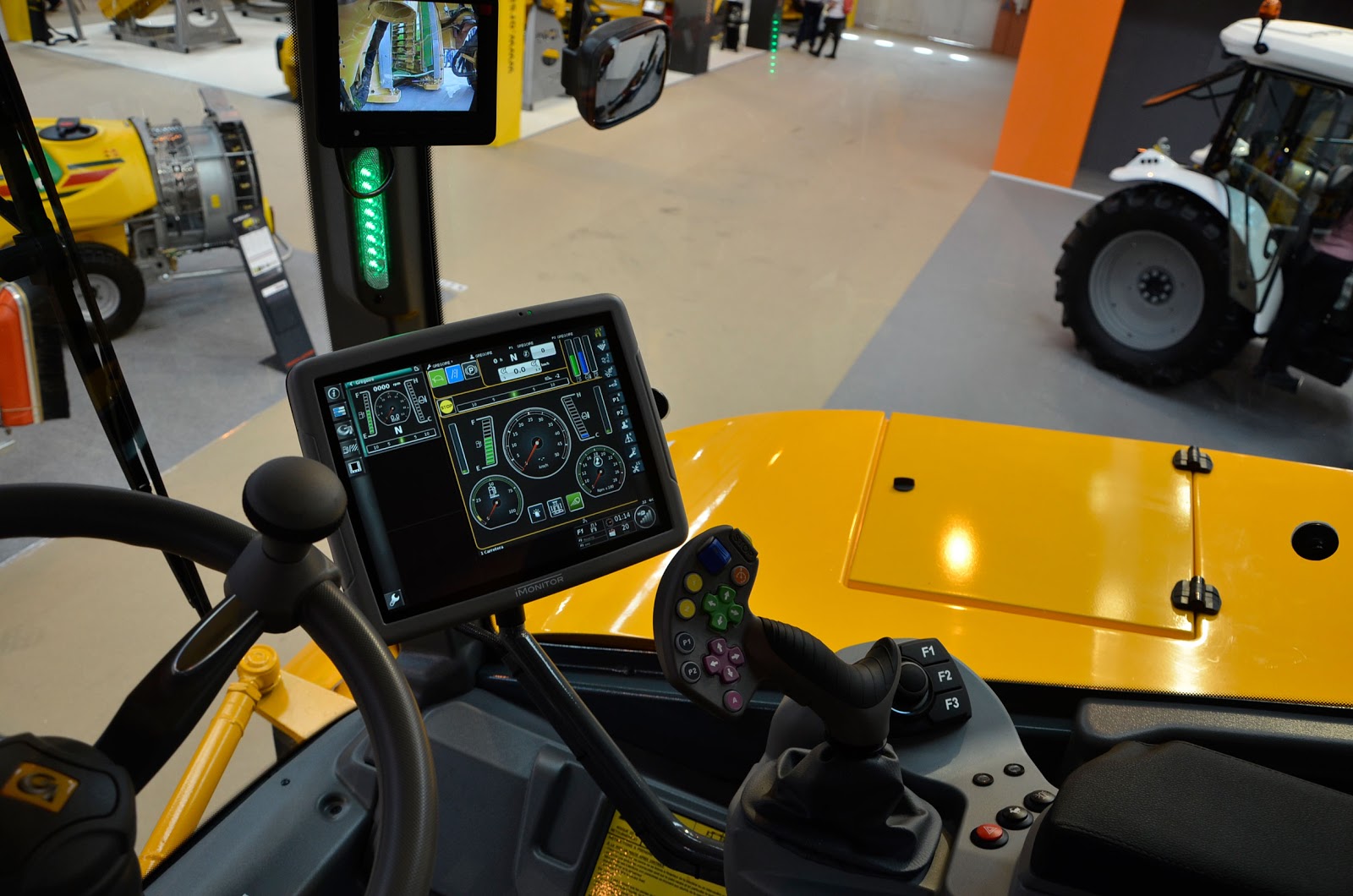
The sector of loaders and telescopic handlers is also in fashion and we could see a great variety of brands and models. Some of the things that caught our attention was that many manufacturers incorporated mega video screens. At least to us, these screens were almost unnoticed because it they are not focused you look at the machines and not at the screens. The Arbos stand was much more modest when compared to that of FIMA 2018... perhaps more in keeping with the brand's situation in Spain. On the other hand, we could see two virtualised stands... we were talking about the stand of Massey Ferguson and Hardi, who had virtual reality glasses where you could see their products... it is something very new that didn't convince us much but we'll see if the idea takes hold in the future.
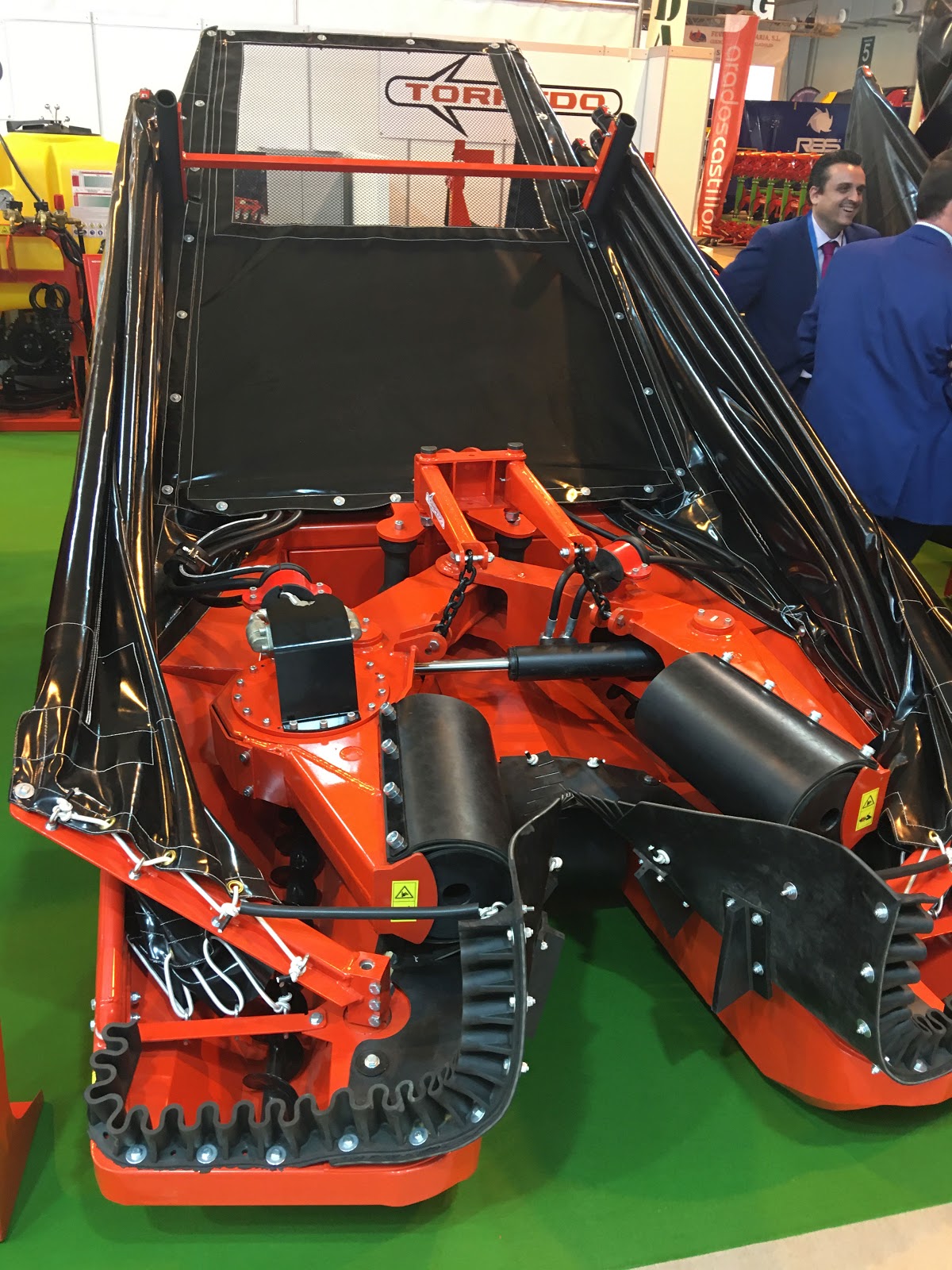
In terms of notable developments that caught our attention, we mention the following issues:
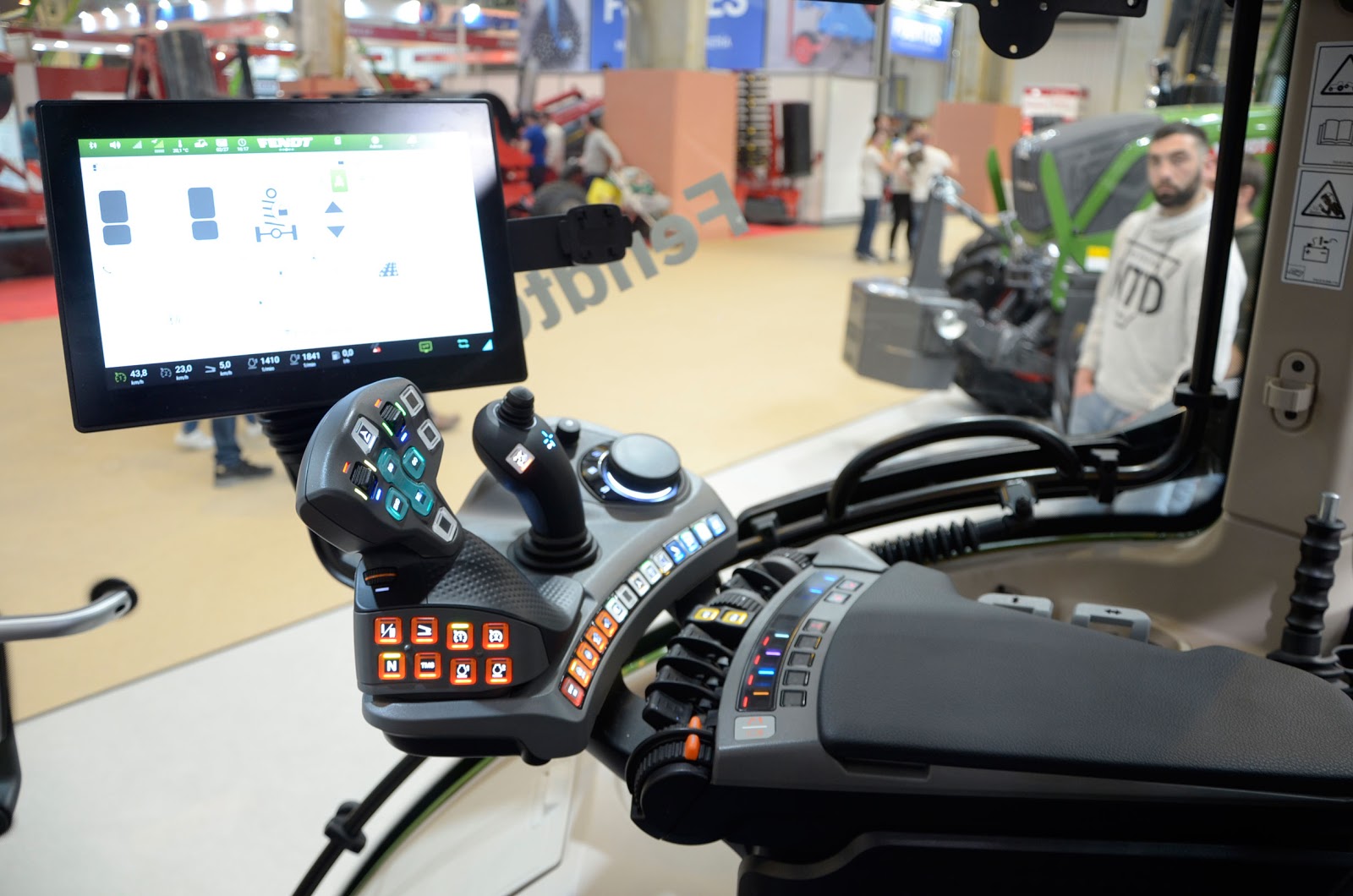
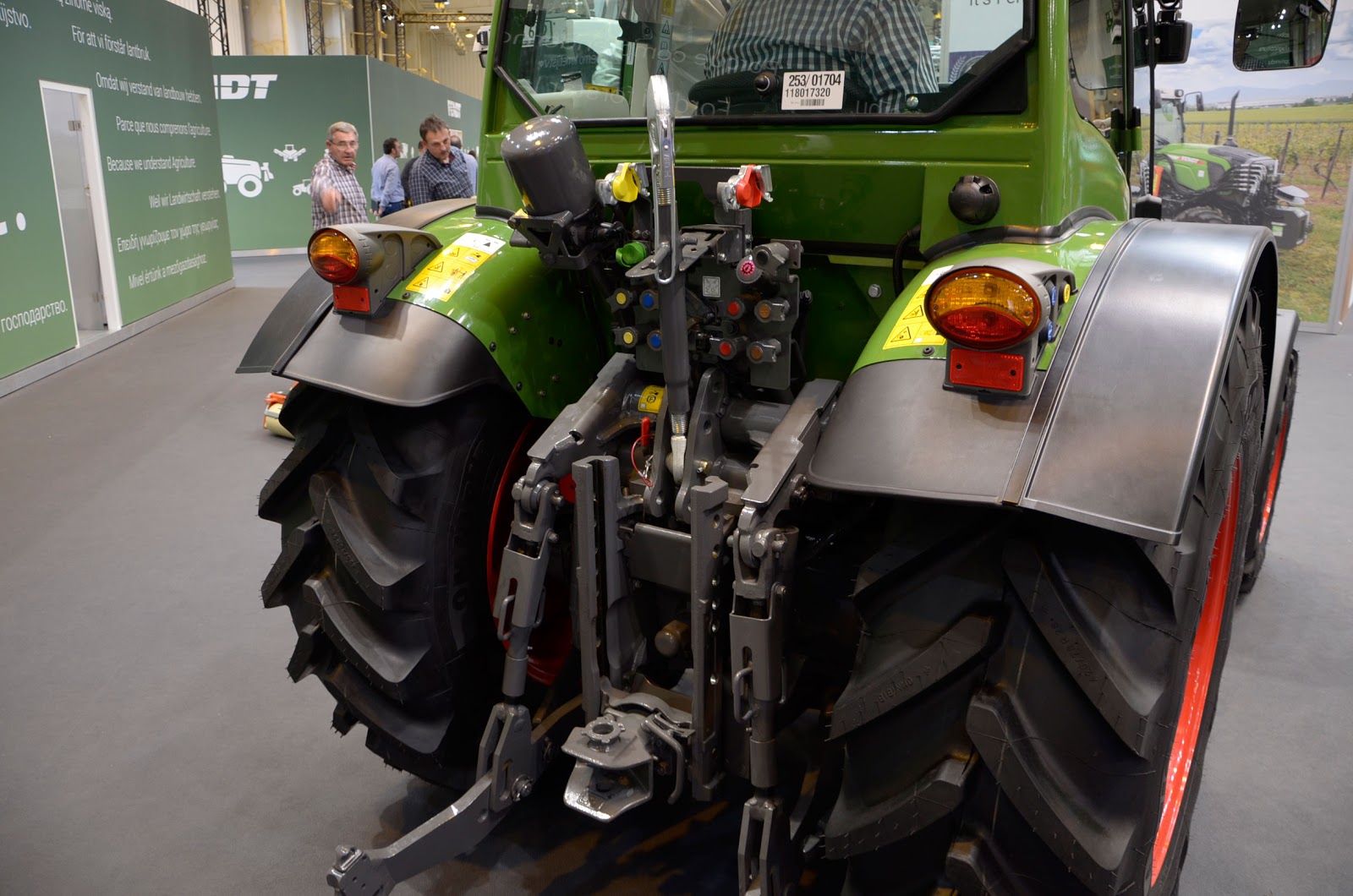
- Fendt 314 Vario and Fendt 942 Vario tractor models
- Gregoire grape harvesters' with the great renovation of their cabins
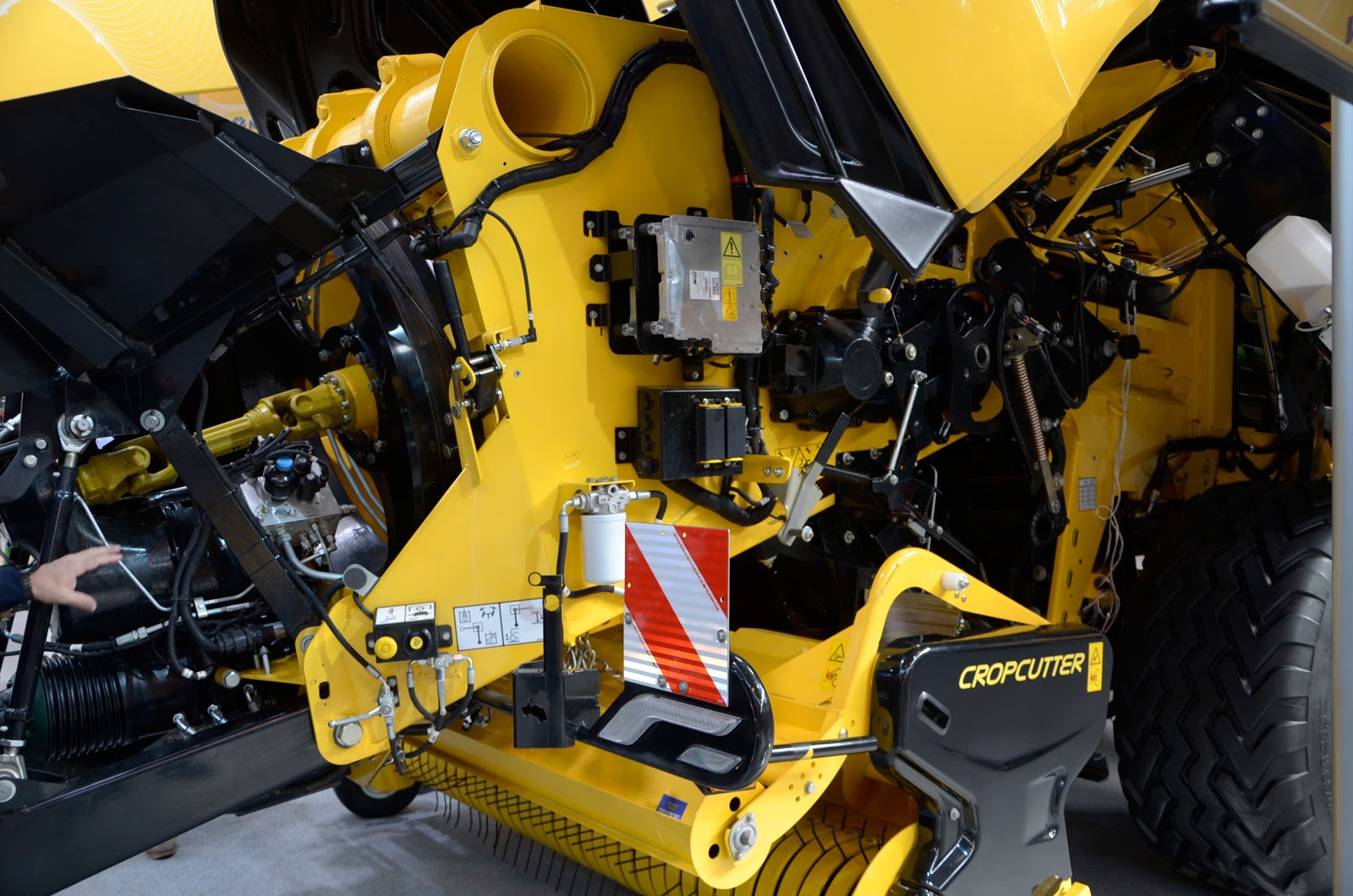
- New Holland's new high density big baler and New Holland T6 biomethane tractor,
- John Deere 8RX great tractor and the new electric transmission that is more efficient than traditional hydraulics
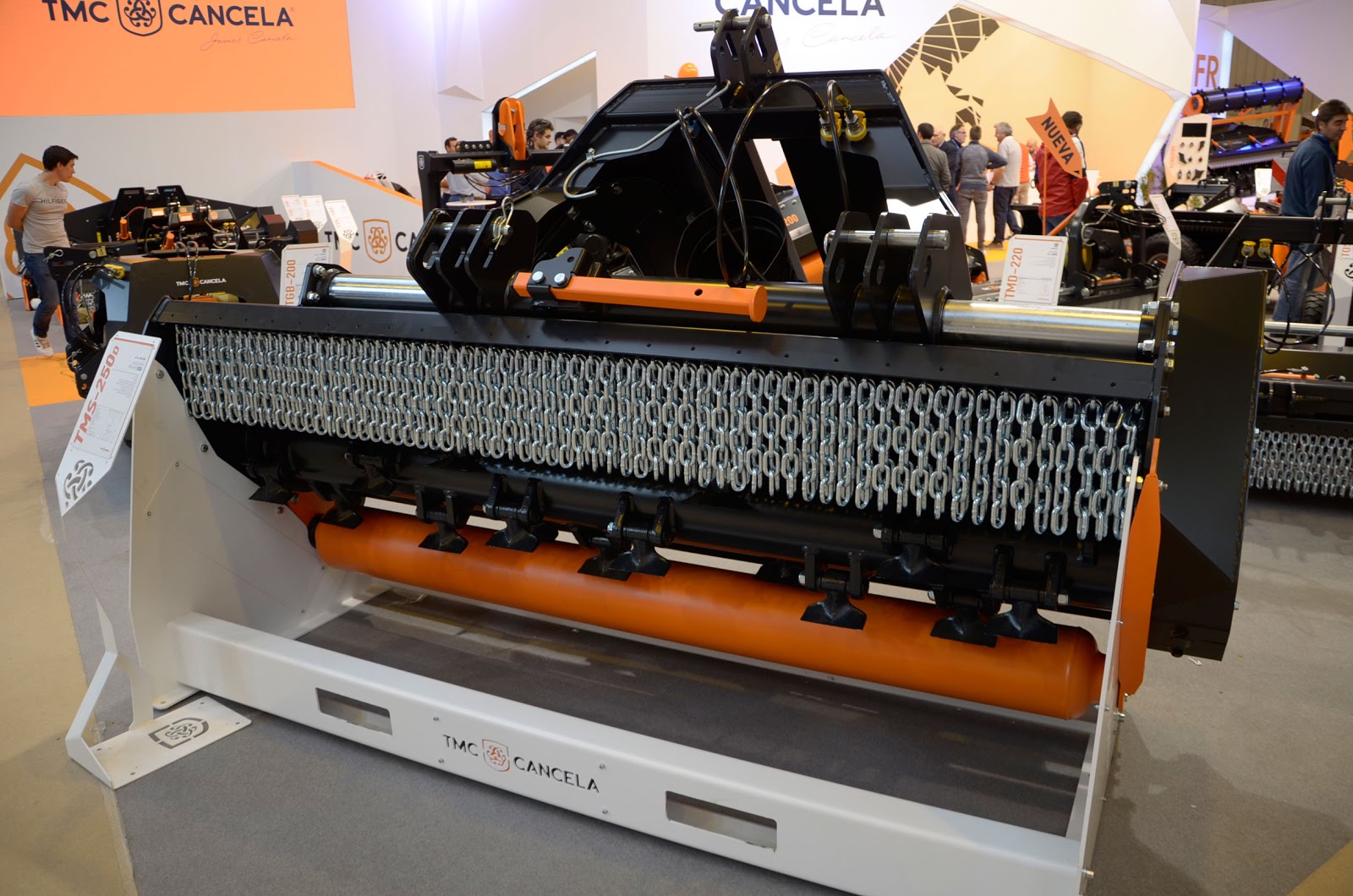
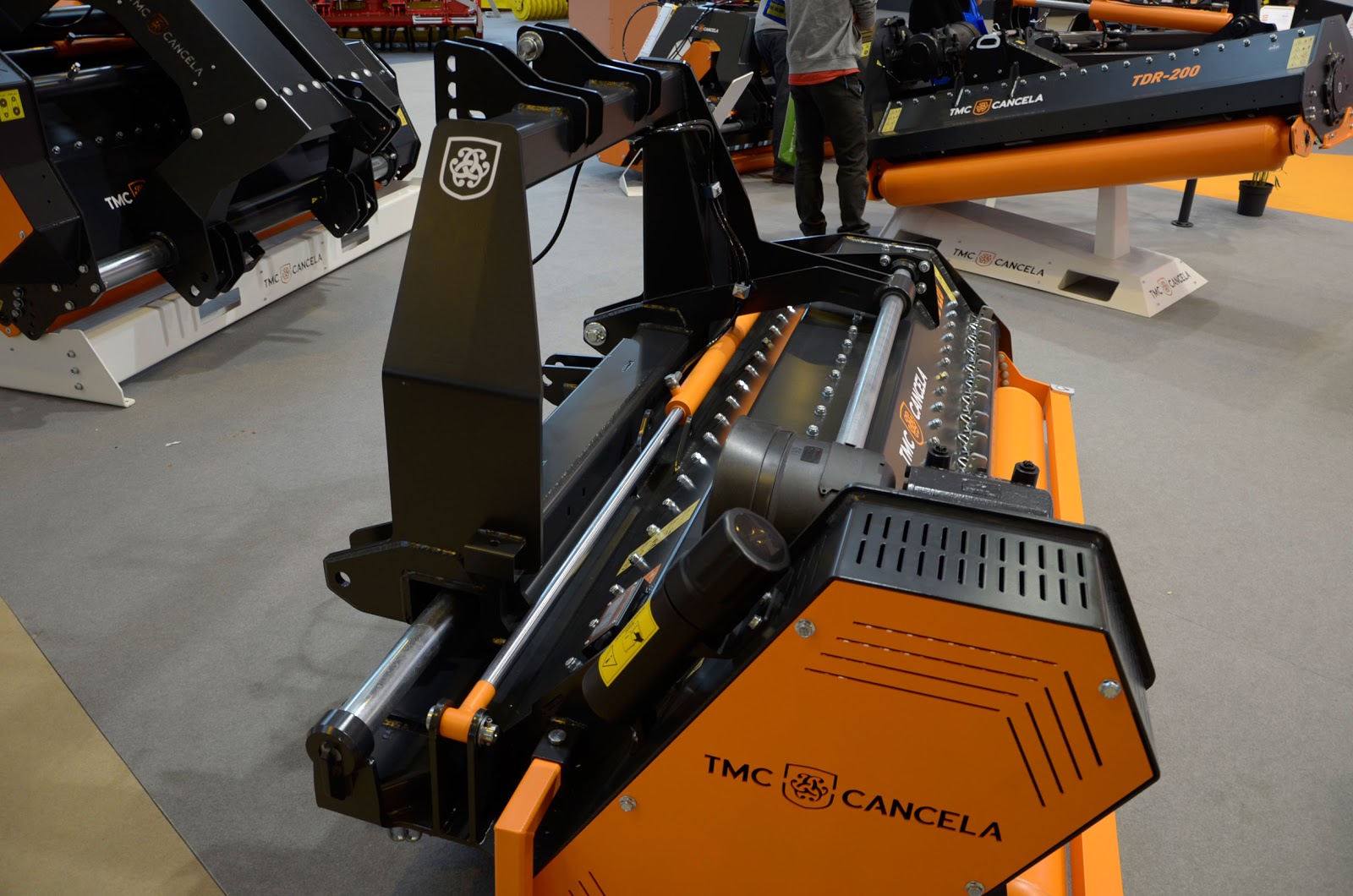
- TMC Cancela mulchers that have an extraordinary finish
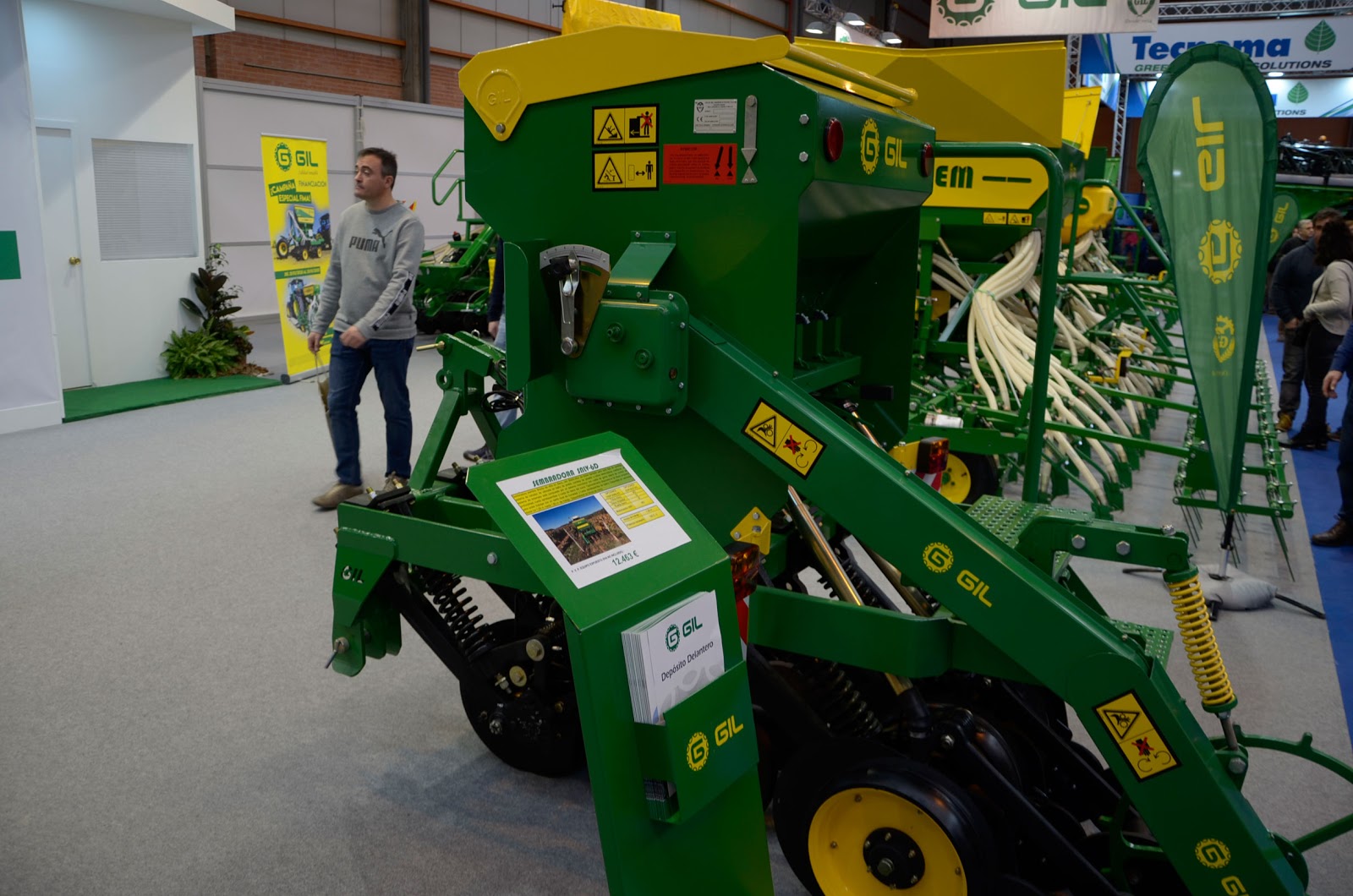
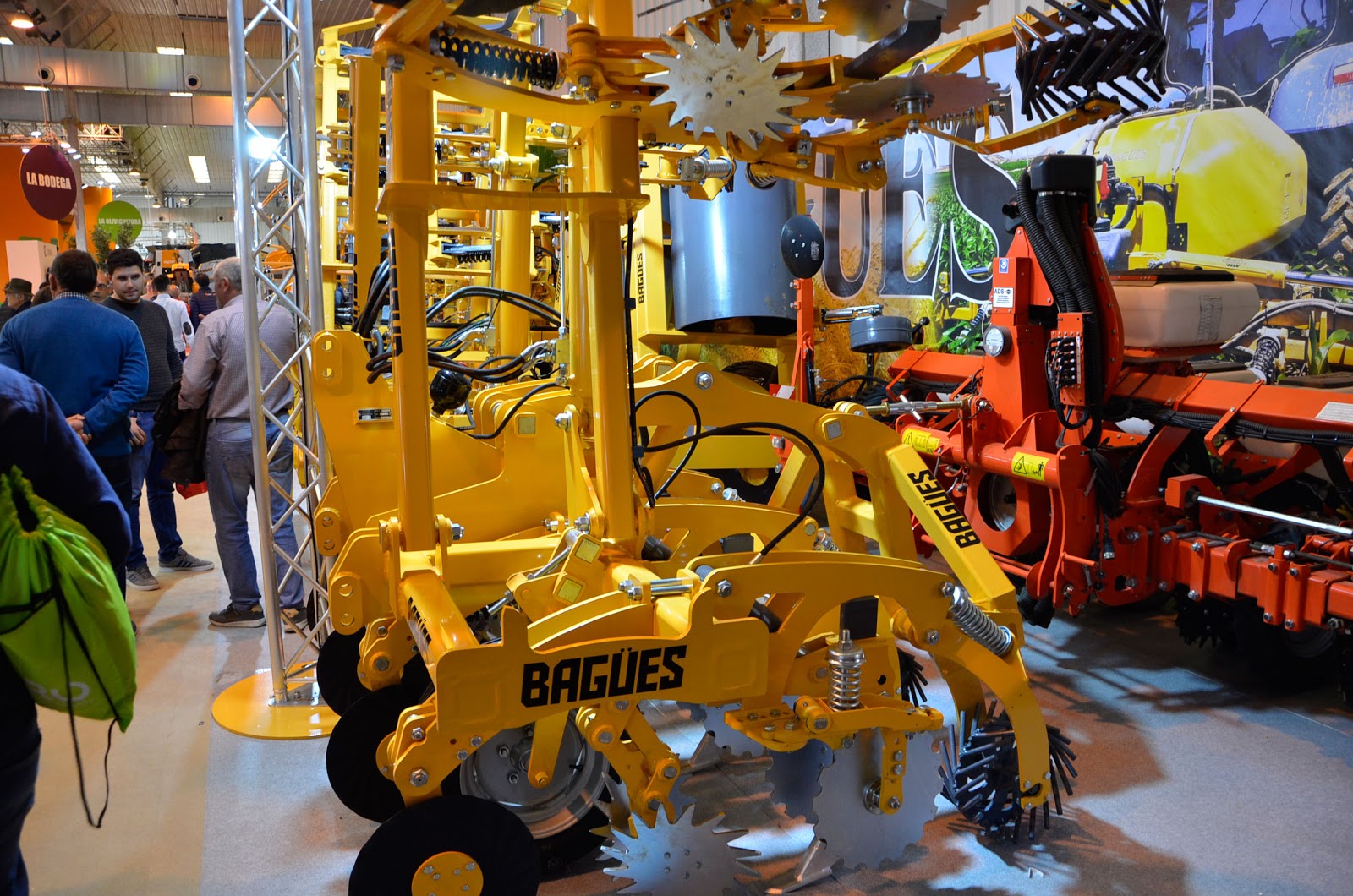
- Gil's new harrowing discs
- iDavid's vine tools that look like they're from another planet
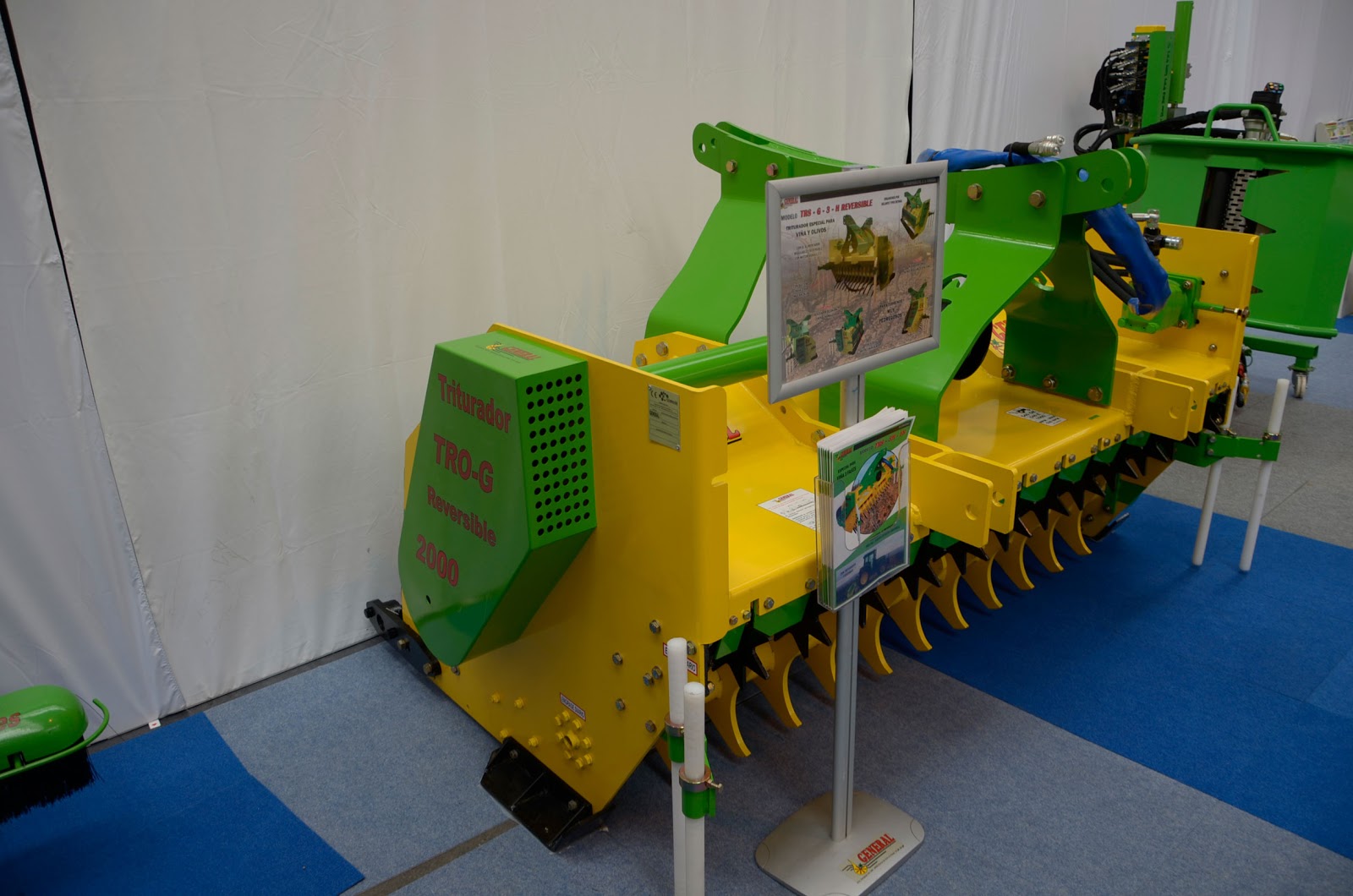
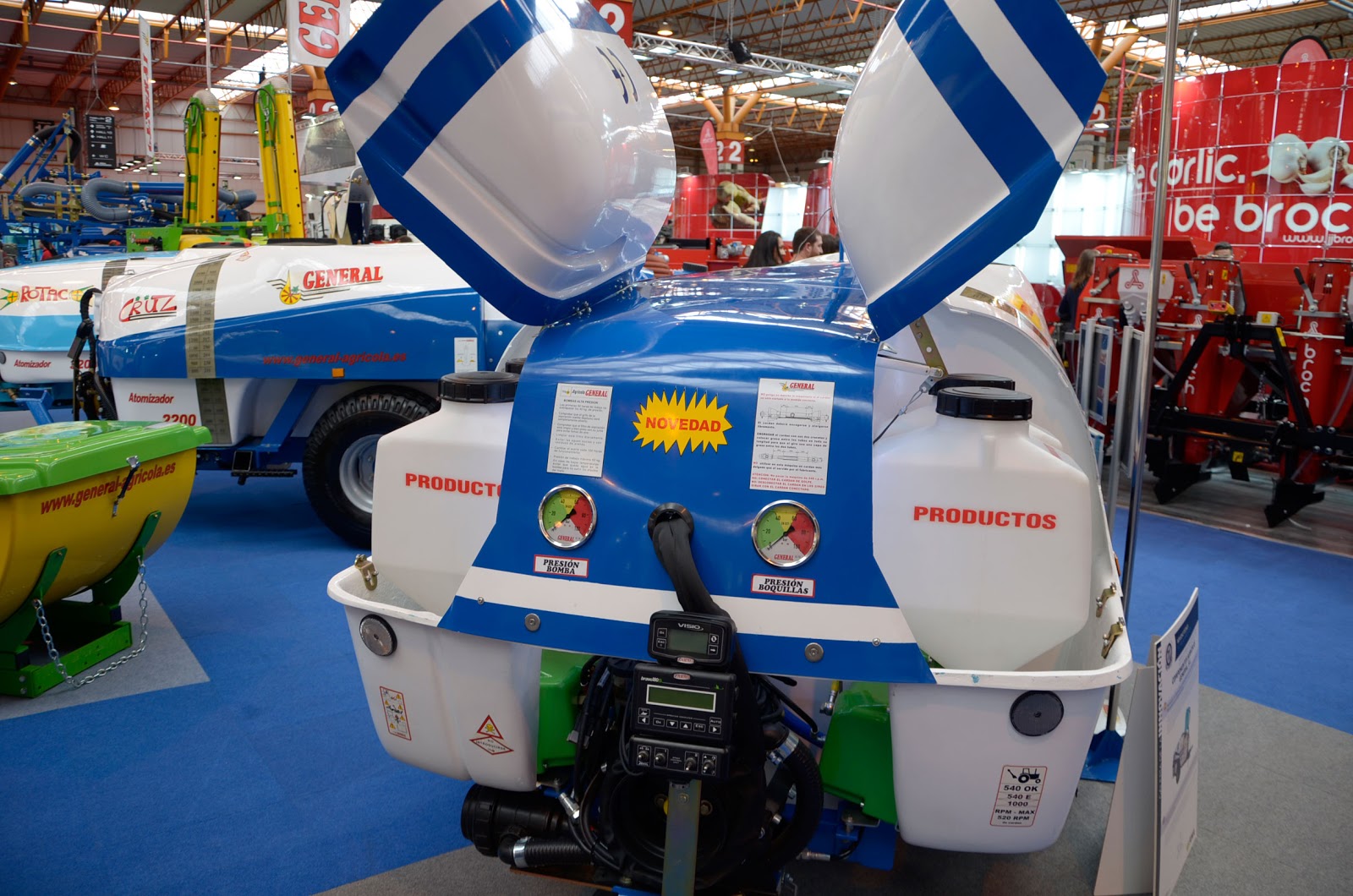
- General Agrícola products as: direct system of dosage, mixing and injection of the phytosanitary product in the atomizers
- Hardi atomizers and sprayers that look extraordinary
- CaseIH Magnum new multi-controller arm
- Claas Lexion combine that is really lovely
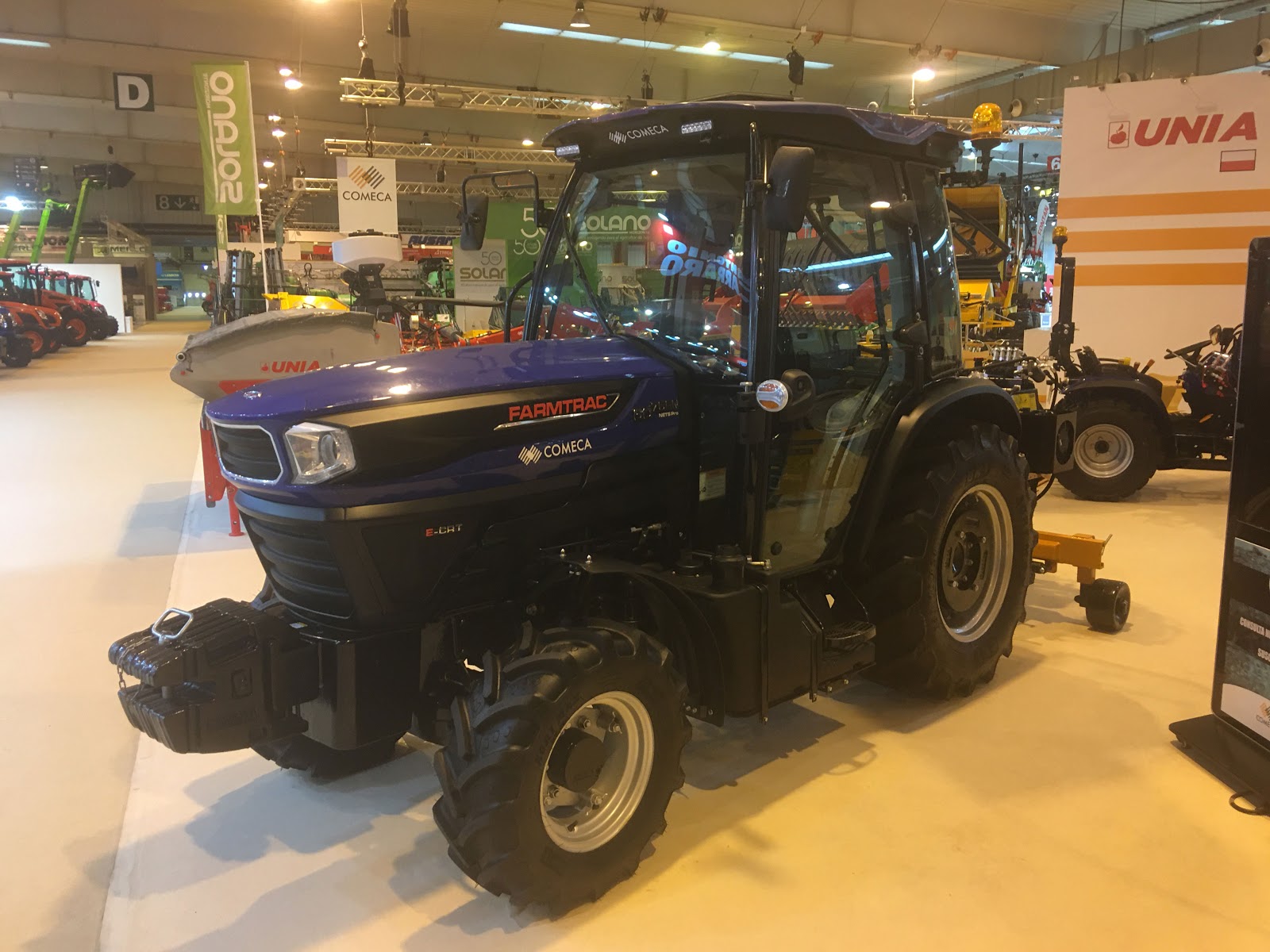
- Same Frutteto CVT ActiveSteer
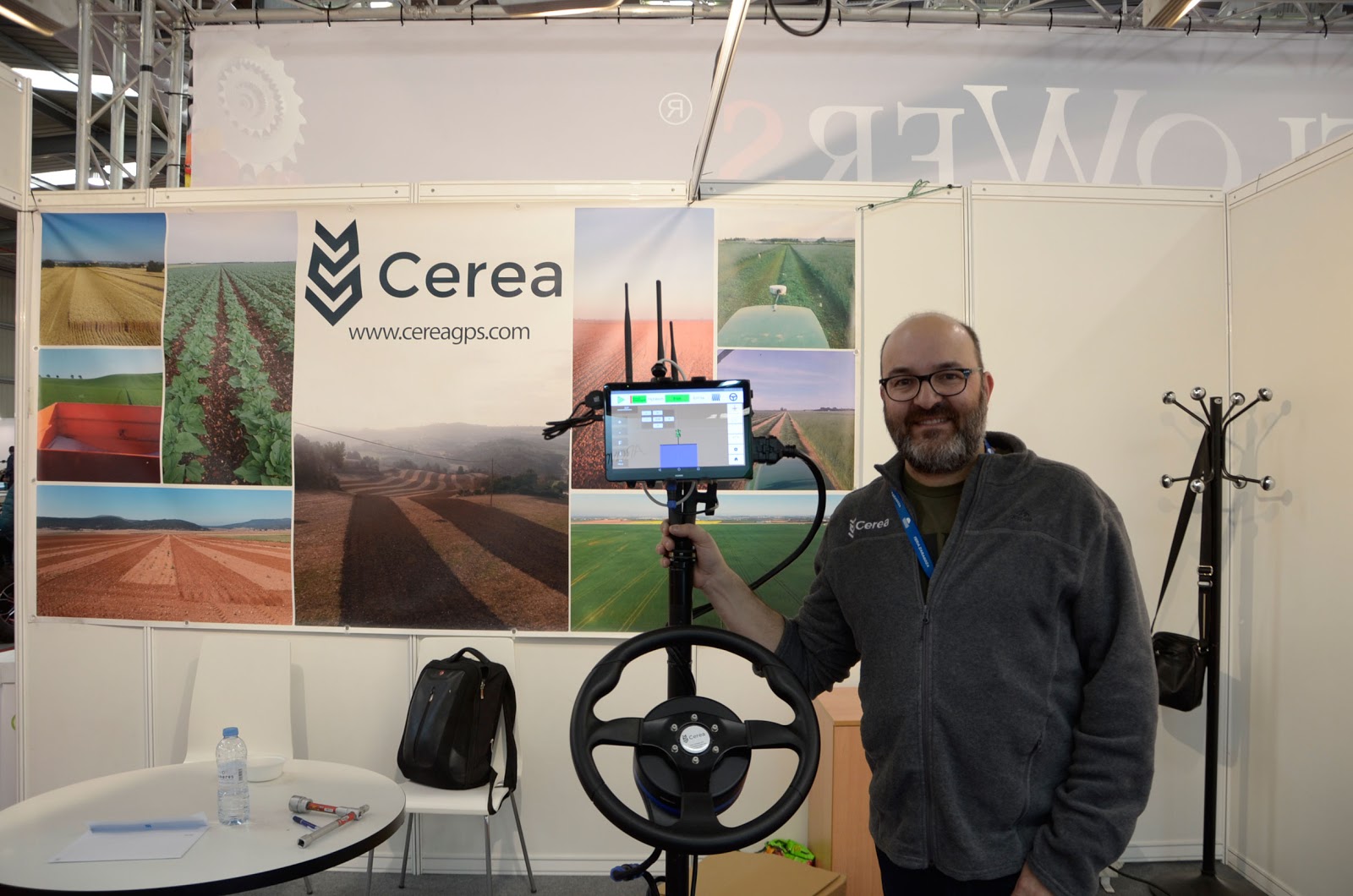
- Cerea GPS evolution with a new steering wheel
- Bellota's projects to improve the durability of its wear parts
- Valley's app for complete pivot management
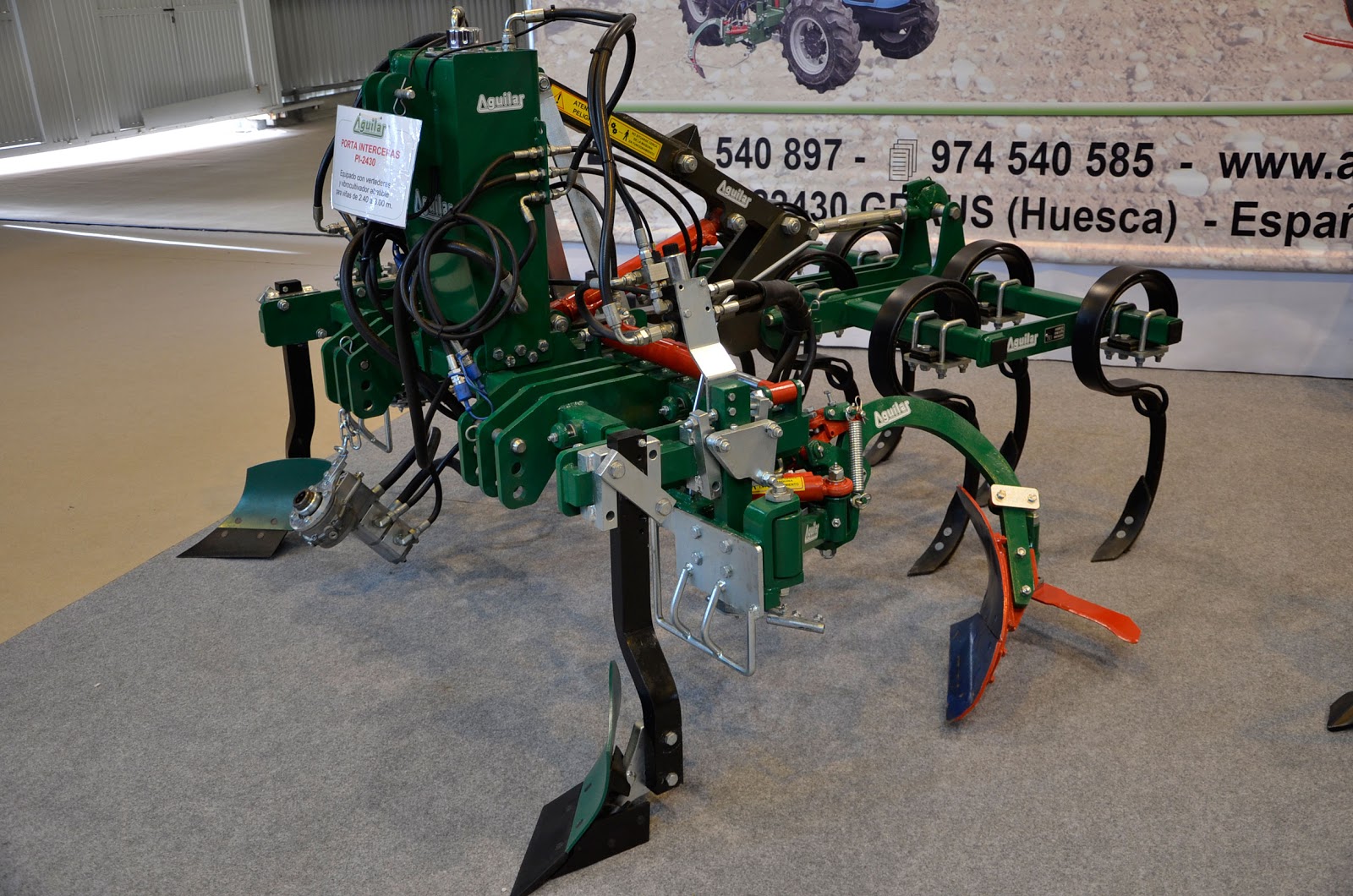
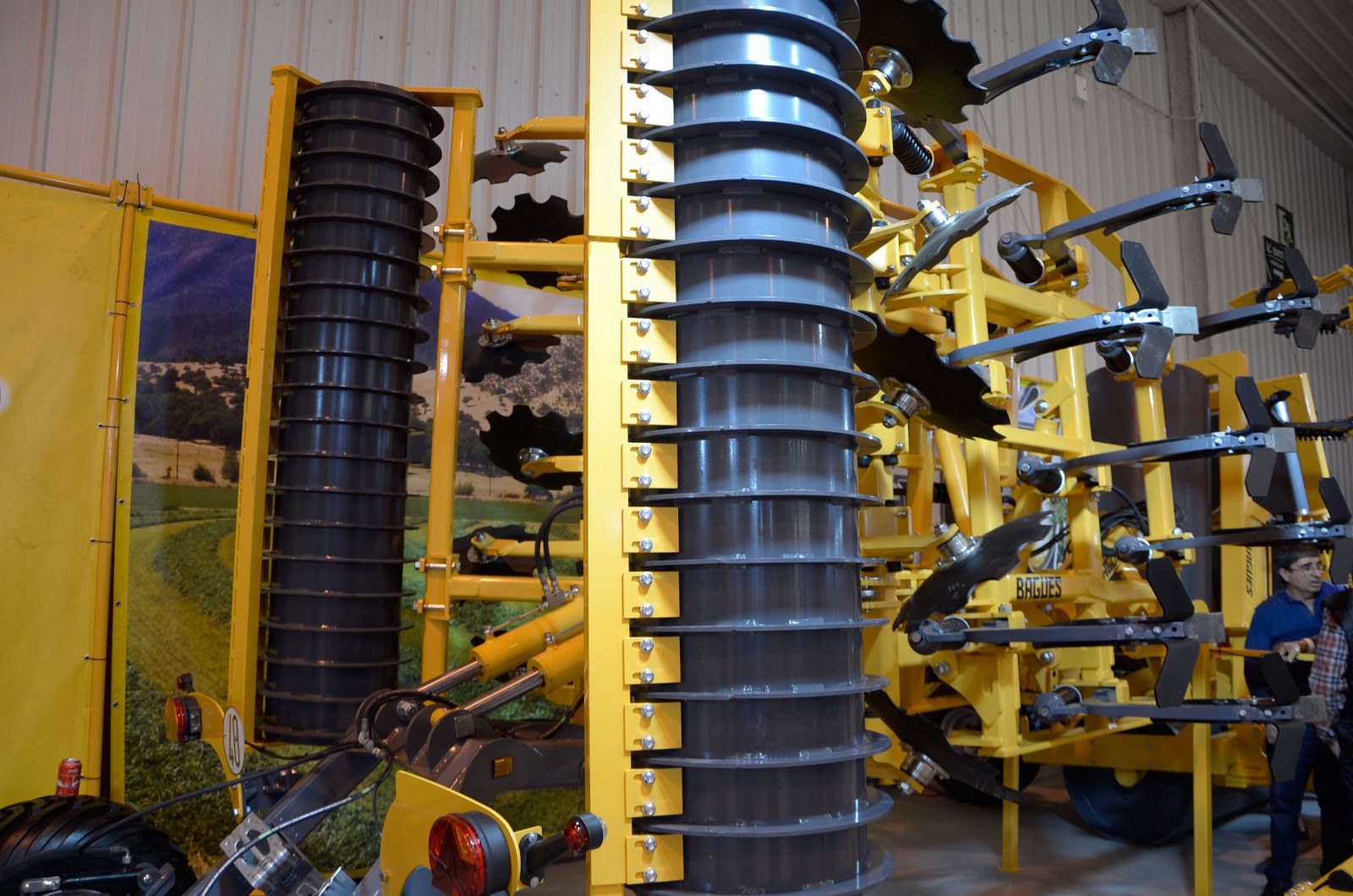
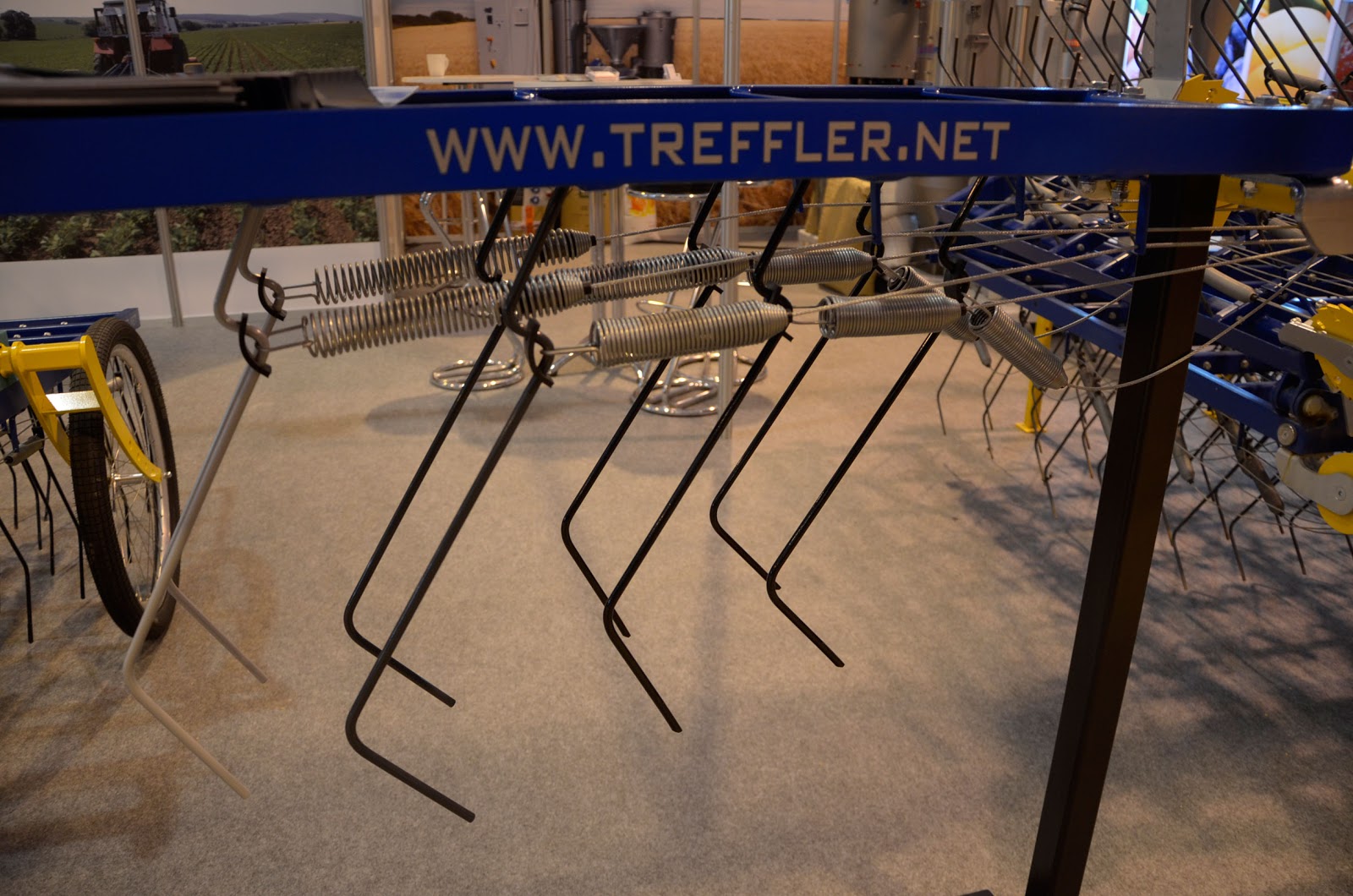
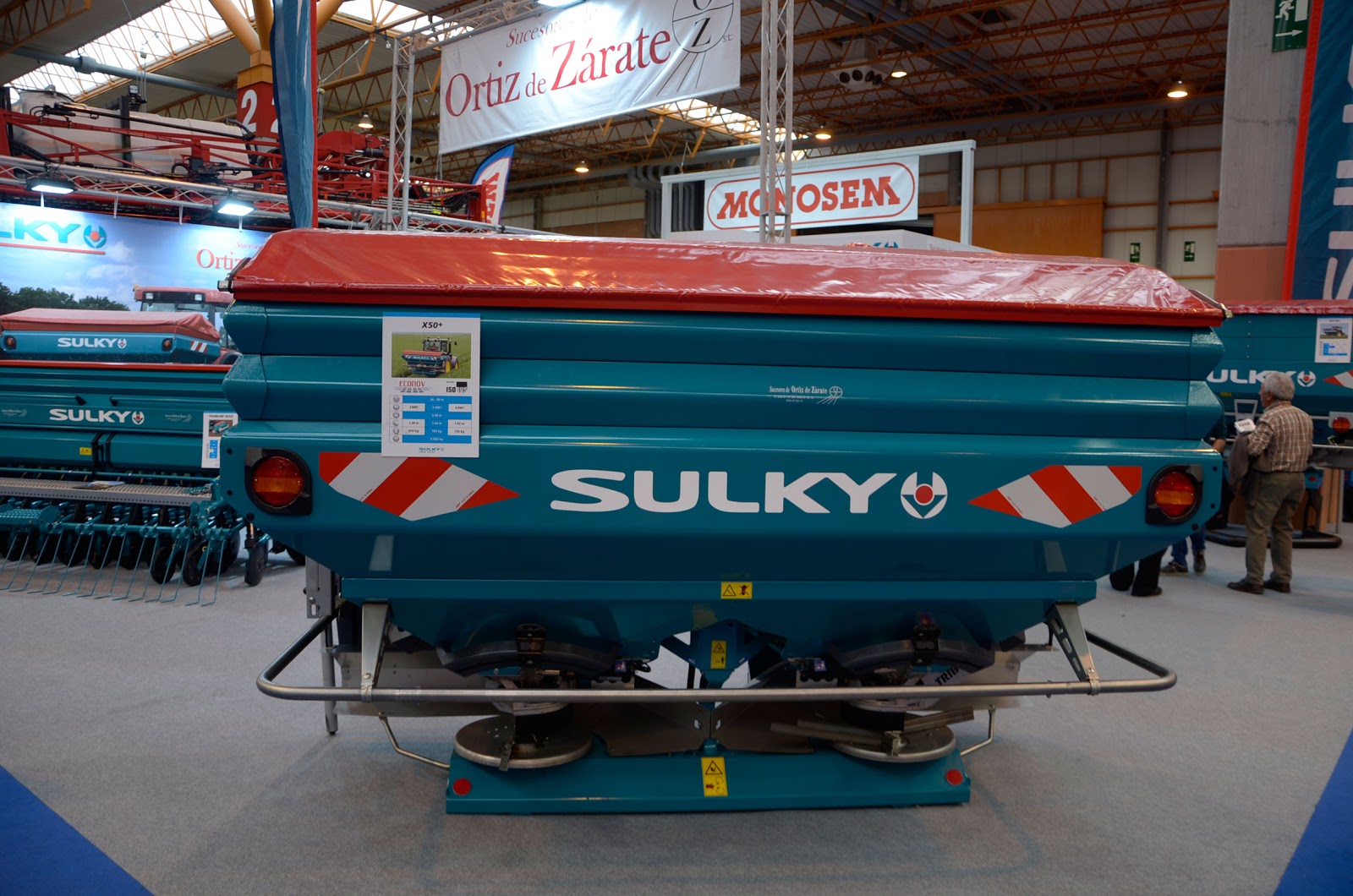
- ... all this novelties among many more that you can see in our pictures and videos.
Videos:
- FIMA 2020. Kubota M6002
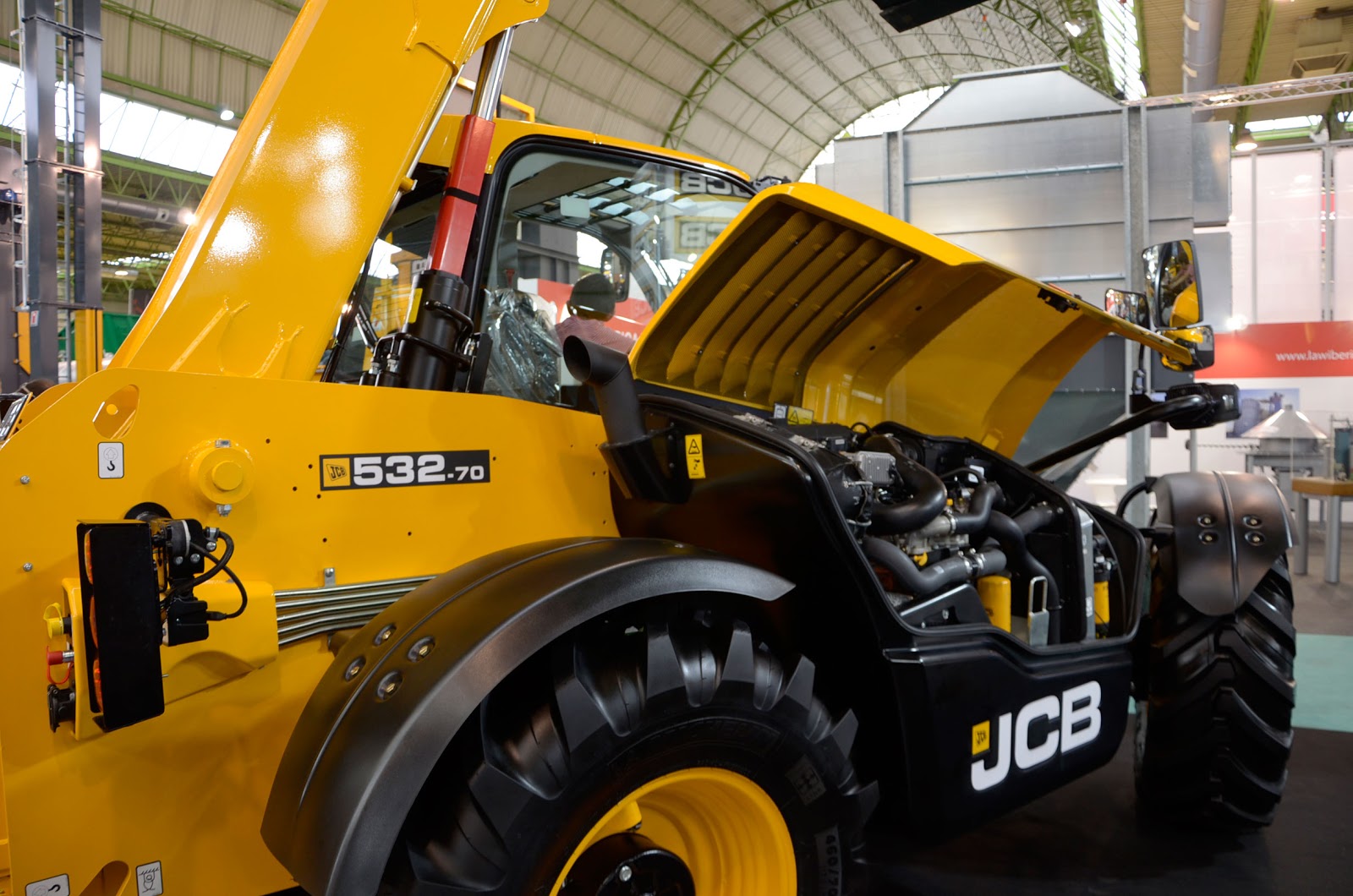
- FIMA 2020. JCB AgriPRO Telehandler
- FIMA 2020. General Agrícola
- FIMA 2020. Ovlac
- FIMA 2020. FendtONE New Cabin
- FIMA 2020. Fendt Slicer Mower
- FIMA 2020. Fendt 942 Vario
- FIMA 2020. AG GROUP - SIWI Hitch
- FIMA 2020. John Deere 8RX and S700
- FIMA 2020. New Holland Big Baler 1290 High Density
- FIMA 2020. New Holland T4 F
- FIMA 2020. CaseIH Axial-Flow Combine