Do you know the importance of the sensors? A few months ago, Nicola Franco (XFarm's director for the Iberian peninsula) suggested that we could use and evaluate the XFarm agronomic management platform. This type of management tools has evolved a lot in recent years and there are many companies that offer similar platforms, although each one has its own distinguishing characteristics that differentiates it from the rest. In this case, XFarm is an Italian platform that, as we will show you below, encompasses many options for an holistic agronomic management of a farm. We say holistic because there are several premium modules that can be used and that cover all management needs, such as the financial management module, satellite photos, weather data, irrigation information, alerts and up to 15 different modules.
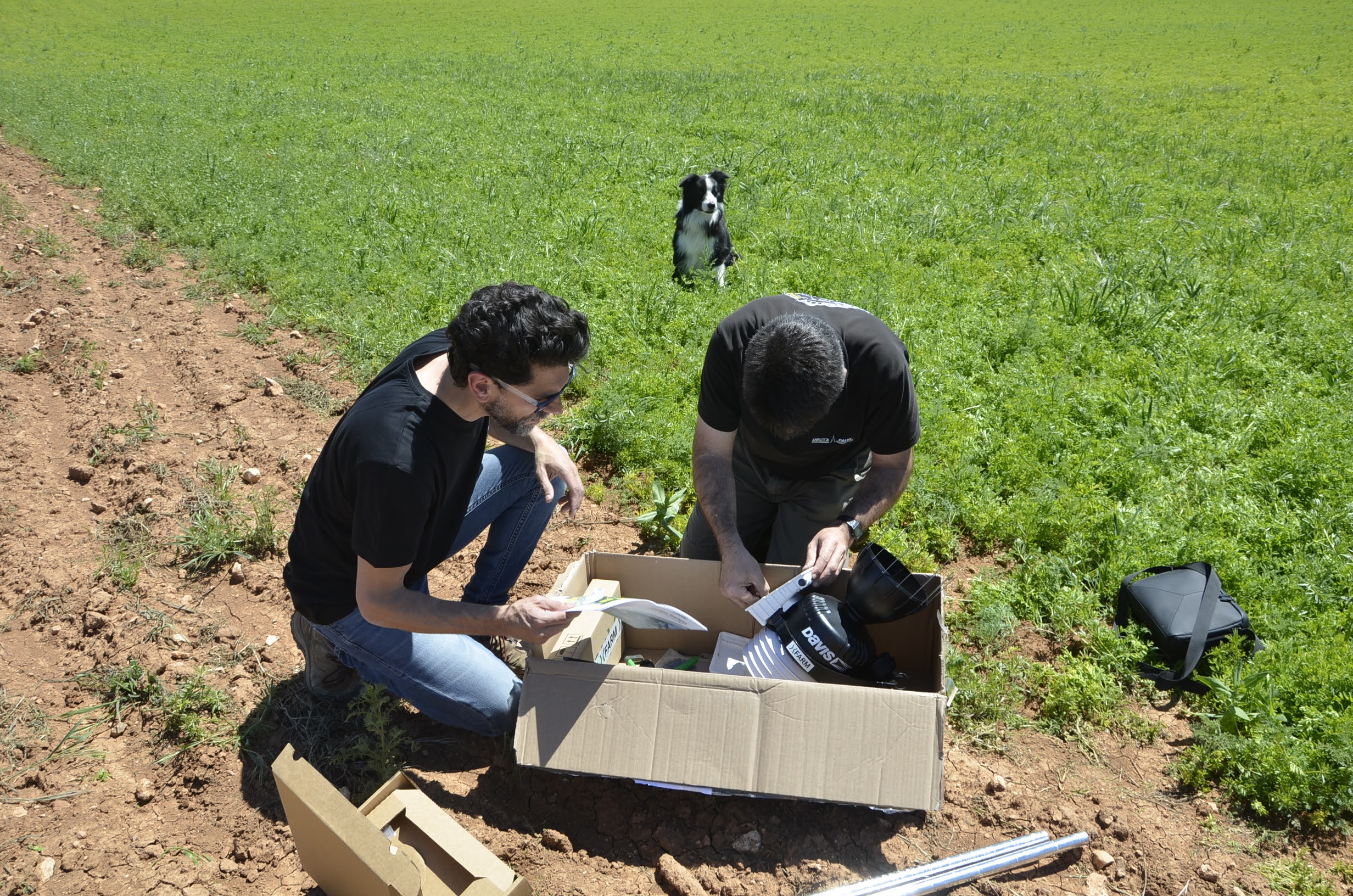
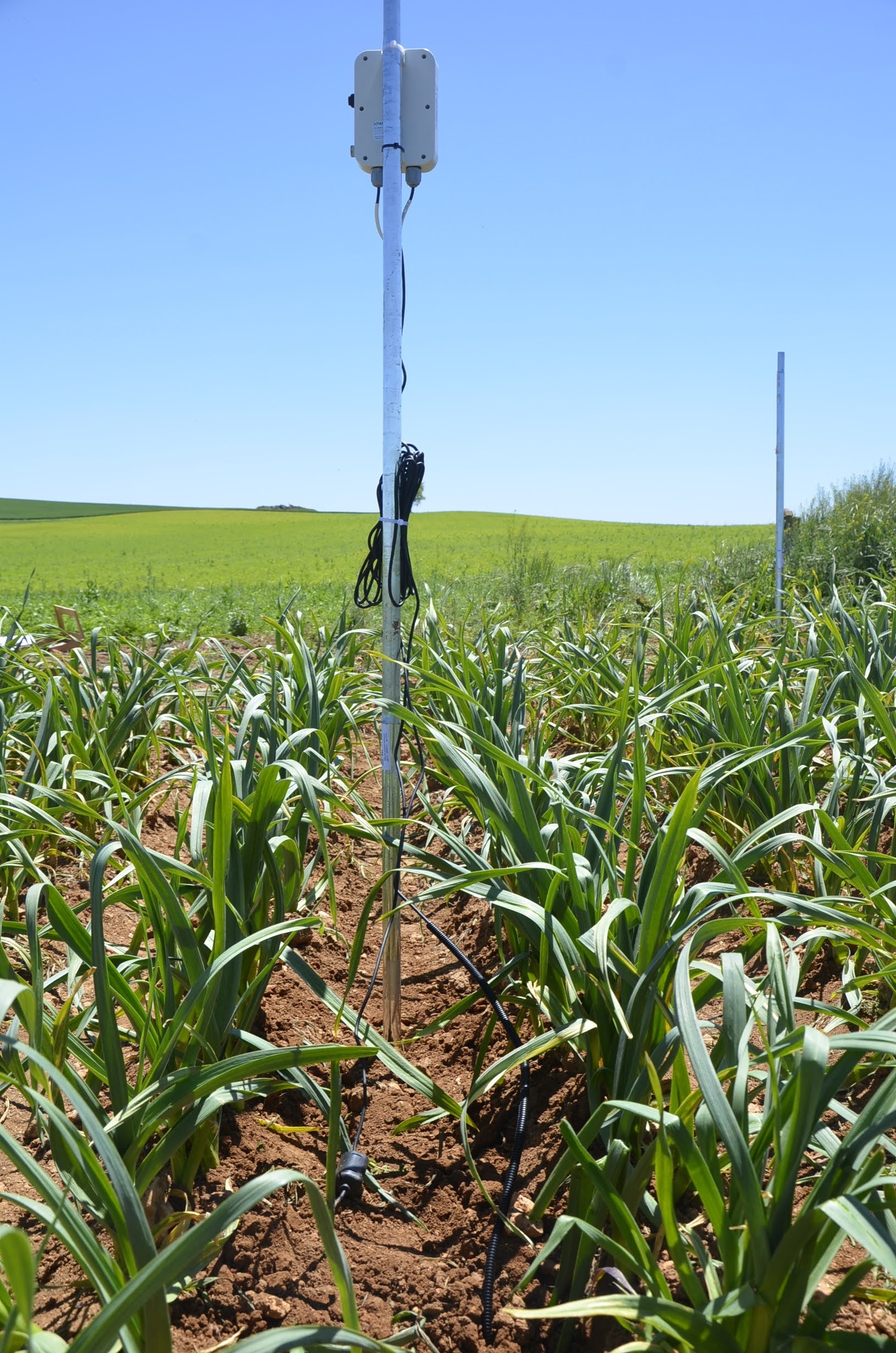
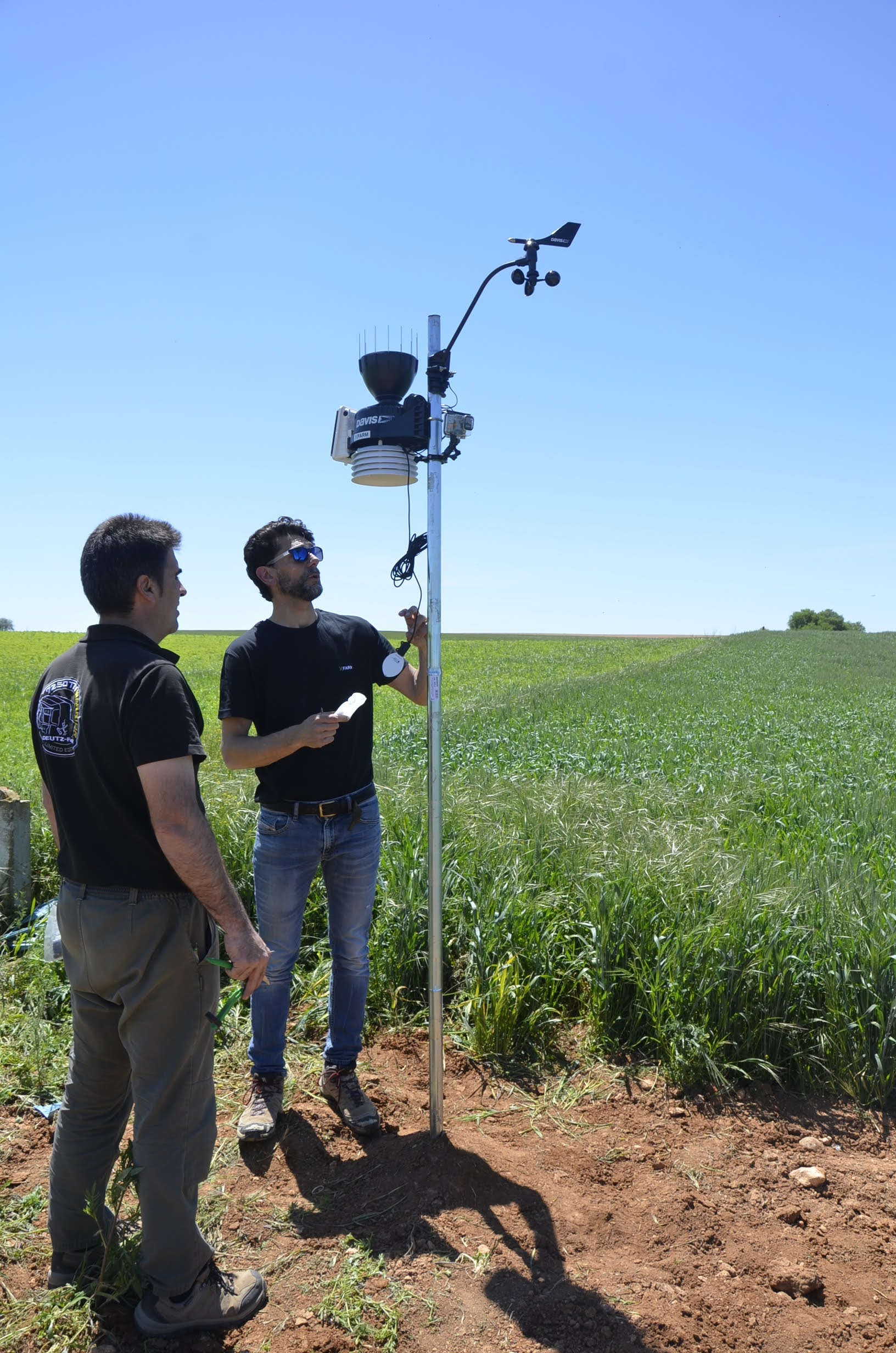
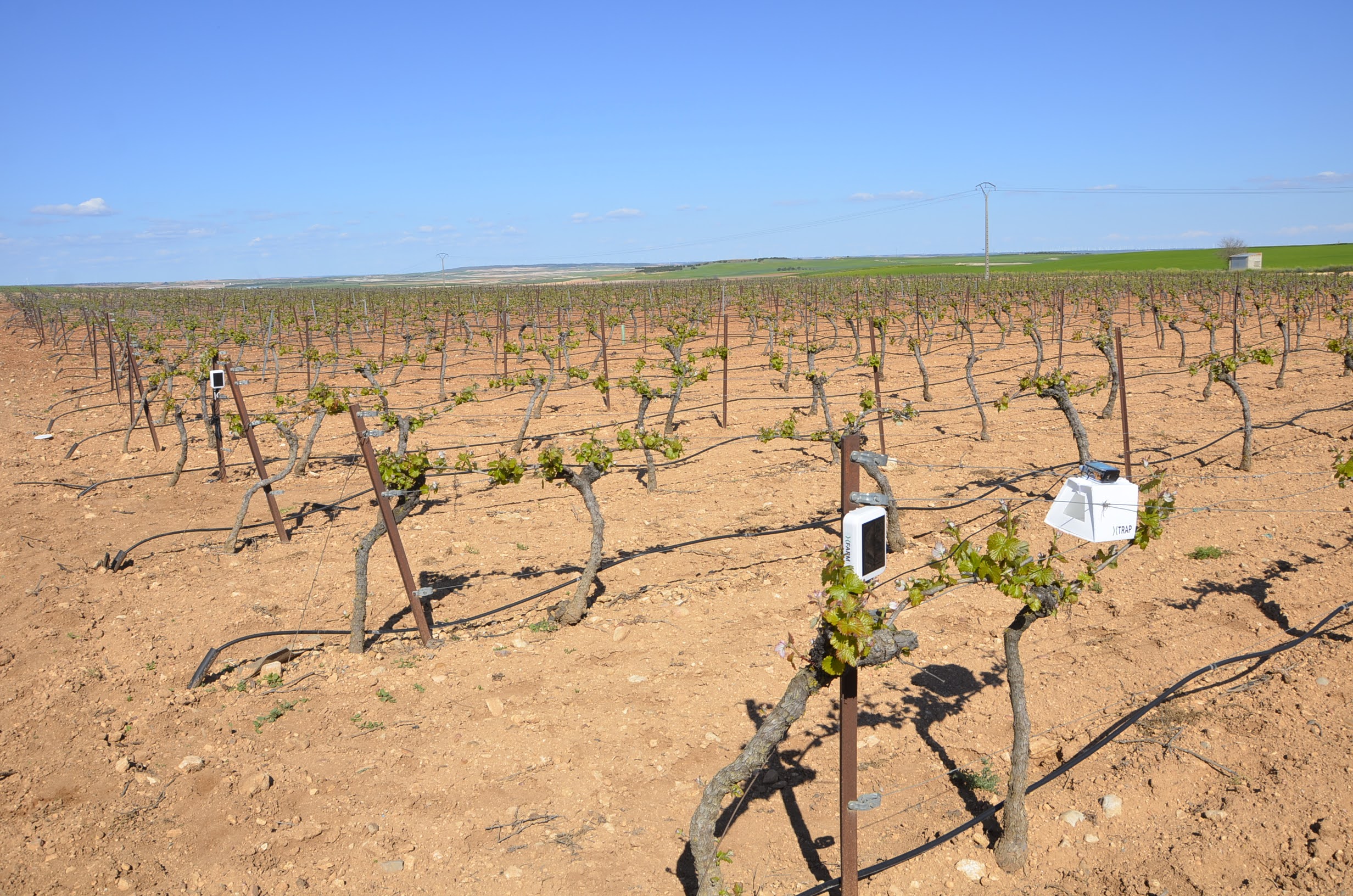
This time we will focus on the ground sensor module, which as you can see in our photos, were installed in several fields and are now reporting detailed information on weather activity (up to 100 sensors can be installed for the same network). In particular, we are using:
- XSense weather station.
- It is a completely autonomous Davis weather station as it is powered by a solar panel and has a SIM card to send data to the XFarm platform.
- It also has a camera that takes a photo every day so that we can see the crop as if we were in the field.
- The station reports information on rainfall, wind speed, temperature, humidity, etc.
- XNode soil moisture sensor.
- These sensors are installed at two levels of depth in the soil, depending on the needs of the crop, in order to have shallow and deeper moisture readings. In this way, we have a detailed overview of the water status of our crop.
- Additionally, these sensors are also completely autonomous as they have a solar panel and can have a SIM card or be connected to the weather station by radio (maximum 10km distance).
- As you can see in the photos, the information they report is very useful for "smart irrigation".
- XNode pest sensor.
- It consists of a cage where insects can be captured.
- In the cage there is a camera that sends us a photo every day so we can see if there is any insect in the trap.
- It has the capability to tell us which insect we have in the trap and therefore in our crop (XFarm has a list of 20 different insects).
We will surely publish more articles about the XFarm platform because it is very interesting for us. So far, with the data we already have, the platform is helping us a lot in making agronomic decisions that were previously extremely difficult to make.